
An Easy Guide to Starting Your Points Journey
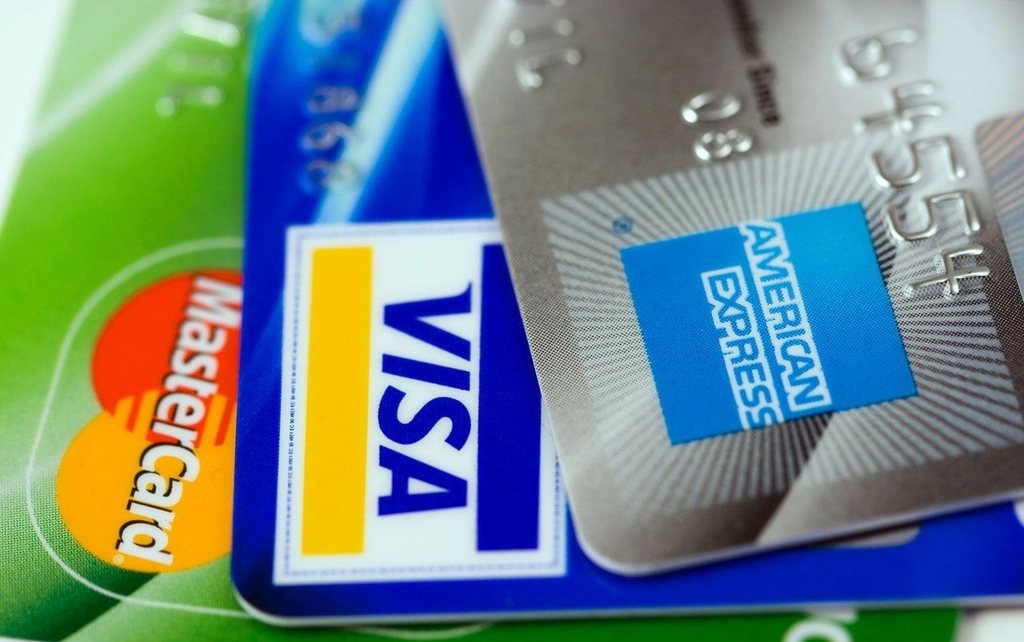
What are points? For the purpose of this website, points are the “currency” you earn by making your everyday purchases, but using a specific credit card. You can also earn them by staying at certain hotel chains using their rewards programs, or traveling on certain airlines using their frequent flyer programs. (And we highly recommend signing up for these free programs!) But for the average person, credit card points are the ones that really make a difference.
Table of Contents
Introduction to Points
Our points journey began in about 2007 when we first signed up for a new Visa card, the Chase Sapphire Preferred. We applied after receiving a flier in the mail (actual snail mail!) and chose it for two reasons: first, it seemed easy to accumulate points, and those points could be used for lots of things, including cash. Second, it was, and still is, a lovely blue card, and blue is my favorite color. Pretty scientific, right?

Since then, we’ve been slowly but surely learning to play the “points game” and have flown Europe in business class four times (twice with family in tow) and paid almost nothing. We’ve also stayed in dozens of hotels for free, including two highlights: The Park Hyatt Vendome in Paris and the Four Seasons in British Columbia.
We were even able to treat our extended family group of ten people (five rooms) to two nights at no cost in Dublin, Ireland, a city notorious for its high hotel prices, surely a value of $2000 or more. No matter how many times we travel with points, it still makes us feel a little giddy to get free rooms or flights.
There are numerous outstanding websites aimed at people who travel frequently for work that provide strategies to get frequent free travel. However, it can get complicated and time-consuming for those of us who don’t travel extensively for a living.
Our website is aimed at the leisure traveler who would like to fly and sleep for free now and again, but doesn’t travel nearly enough to rack up the kind of significant status-levels with airlines and hotel chains that frequent travelers do. Most people don’t want to spend hours figuring out how to best use their accumulated points.
Two important rules for playing the points game: First, put everything you buy on your credit card(s) – from major purchases to groceries to a cup of coffee to your utility bills (if they don’t charge extra). You’ll be amazed at how quickly the points can add up. You’re spending the same amount of money, just paying it all at once rather than in little increments. Second, because you’re putting nearly all of your monthly expenses on your card, it is important to fully, or at least mostly, pay it off each month. If that’s not the case, then any value you gain will be offset by extra interest charges, making it a bad investment.
** Some links in this article are affiliate links, meaning we may earn a very small commission if you apply through them (at no extra cost to you). We only recommend cards we use ourselves, whether or not they offer affiliate links.
Our Favorite Cards:
Flexible Sapphire Cards
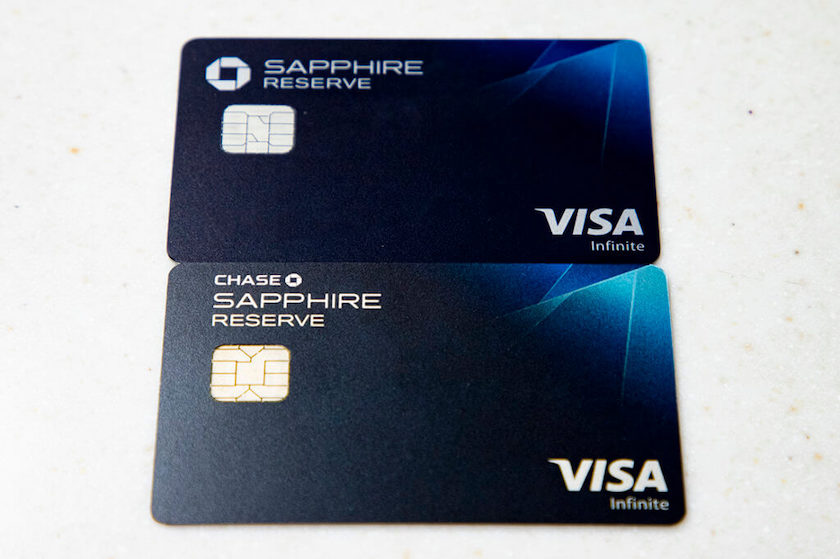
Chase Sapphire Cards have something for everyone, and can be used in a host of ways. There are two related, but very different cards: the Preferred and the Reserve.


The cards share many features, and both offer a great deal of flexibility:
- They offer generous sign-on bonus points after you initially spend a set amount on the card. The bonuses and spending requirements change frequently, but the bonuses are almost always worth at least $600 in free travel, and sometimes far more than that.
- With each dollar you charge on the card, you are awarded one point. They both also have travel and dining as “bonus categories” which earn 2-8 points per dollar spent, allowing your points to build up a lot faster.
- Both have travel partners to whom you can transfer your points. These include multiple airlines such as United, Southwest, and British Airways, as well as Hyatt, Marriott, and IHG hotel groups.
- Both give access to the Chase Ultimate Rewards Travel portal, which allows you to book almost any hotel, flight, rental car, or cruise, sometimes at even lower prices than you can find by booking them directly. You can book with points, with cash, or with a combination of the two.
- Both cards also allow you to redeem your points for cash or credits to pay your credit card bill. (However, those are rarely the most lucrative use of the points.)
These are the cards that have allowed us to fly to Europe in business class multiple times.
Sometimes we’ve transferred our Chase points to United or Air France, and other times we’ve booked through the Chase portal, depending on which method provides more value at the time.

For someone new to credit card points, the Sapphire Preferred is the easiest way to get started. Once you book your first free trip, you’ll be hooked! The yearly fee is just $95, and benefits, in addition to the sign-up bonus and point accumulation, include a $50 annual hotel credit, a free yearly DoorDash membership valued at $120, and a 10% point boost every anniversary. Its benefits are straightforward and easy to use. But the Preferred is not just for beginners. Many people find it the perfect card to keep long term.
The Sapphire Reserve is what we use these days; it has a lot more perks that we take advantage of, but also a much higher annual fee. Benefits other than sign up bonus and point accumulation include a $300 travel credit each year, instantly credited for nearly any type of travel, access to Chase and Priority Pass airport lounges where available, access to The Edit program, (which provides room upgrades, property credits, an free breakfast at nice hotels and resorts), and a $500 credit each year towards said hotel bookings, and $1500 worth of “lifestyle” rebates for such vendors such as DoorDash, Lyft, Stub Hub, Apple TV, Open Table. The list goes on.
Are you interested in more information about the Reserve card?
Check out our in-depth article: The Valuable Sapphire Reserve.
For us, the benefits and credits we get from the Reserve card far exceed the annual fee. Also, we enjoy playing “the game” to see how much value we can get. When comparing the two cards, it is important to evaluate what perks you will actually use and how much time you’re willing to spend maximizing those perks. Then determine which card makes sense for you and your lifestyle.
Chase offers a complete description of the differences between the Sapphire Preferred and the Sapphire Reserve cards here.
Co-Branded Travel Cards
Co-branded hotel cards or airline cards can be useful, especially if you frequent a particular hotel group or fly a lot on a certain airline.
Co-branded Hotel Cards
We take a lot of road trips, and find that the Hilton group has at least one hotel in almost any city, no matter how small. We find ourselves in Hampton Inns along I-80 on the way to or from Colorado more times than I care to admit!
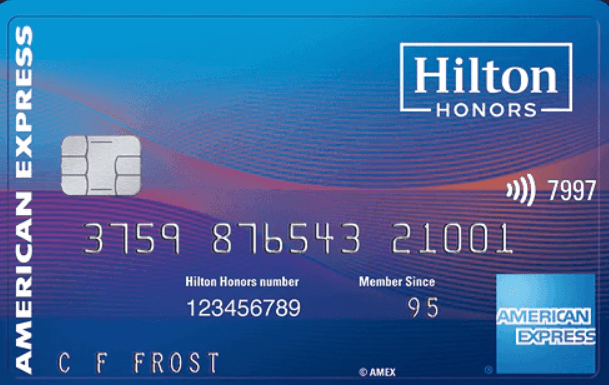
Hilton has various levels of hotels from a utilitarian (but comfortable) Tru in North Platte, Nebraska to an off-the-charts luxurious Waldorf Astoria in Cabo San Lucas in Mexico. Because of that multitude of offerings, we carry a Hilton Honors American Express Surpass Card. It gives us complimentary Gold status with all Hilton hotels, which offers several perks, including breakfast (or a food/drink credit), room upgrades, free bottled water and snacks, bonus points with each paid stay, and the 5th night free on reward stays.
The sign-on bonus is generally enough for 2-3 nights free in a moderate hotel (after you spend the required minimum). The card awards 12 points per dollar spent at Hilton hotels, and 3-6 points for everything else. Free nights can add up pretty quickly if you use this card frequently.
Note: Hilton points (as well as other co-branded hotel and airline cards listed here) are not as valuable as Chase points. They can just be used for their specific hotels (or airlines), and are therefore much less flexible. Nevertheless, they can be very helpful when used thoughtfully.
Though we chose a Hilton co-branded card, you can get cards with similar benefits with the Marriott Bonvoy card, and World of Hyatt card, both of which award complementary status and big bonus points when used at their hotels. We actually prefer all levels of Hyatt hotels over Marriott or Hilton. However, Hyatt just doesn’t have hotels in as many places.
Co-branded Airline Cards
We fly a few times each year and find that it is beneficial to have a low-level co-branded airline card. We chose United because its regular routes are most advantageous to us from our home airport of Des Moines. We use the Chase United Explorer card. There are several cards available, and if you fly frequently, one of the higher-level cards might benefit you. Sign-on bonuses are usually worth at least one free flight, sometimes more!
The points you earn from this card only work for United, and they offer almost no bonus categories. So, for us at least, it only makes sense to use the Explorer card when we make purchases from United, and then for some small expenses, just to keep the card active. By keeping the card, even just with small charges, we’re able to take advantage of the perks when we do fly:
The Explorer card allows a free checked bag for the cardholder and one companion, and gives priority boarding. It also provides you with two free passes to any United Club each year. This is a great way to pass the time during a long stopover or a flight delay.
But the most important perk of this card is that when you’re searching for award flights on the United website, you get access to some flights on points to which the general public does not have access. This can really be helpful.

Similar cards are available for many airlines, including American, Delta, and Southwest. It just depends on your home airport, and which airline services your preferred routes.
Conclusion
If you are just beginning to learn about free travel through credit cards, consider starting with the Chase Sapphire Preferred. With the flexibility to use award points for almost any type of travel and to transfer to travel partner companies, and with its low annual fee, it is hard to beat.

As you use the card and start booking travel, you might find it useful to add a co-branded hotel and/or airline card that meets your travel style, to open up even more perks!

If you’ve already accumulated points and are looking for places to go to redeem them, take a look at some of our articles for inspiration:



See all of our trip ideas here!
Discover more from Werthwhile Wandering
Subscribe to get the latest posts sent to your email.




We have the Sapphire Preferred and the Hilton cards. Such good choices. Haven’t paid for a hotel I. Years because of these cards!
Thanks! Yes, those cards really pay off!