
Boston: How to Spend 5 Glorious Days
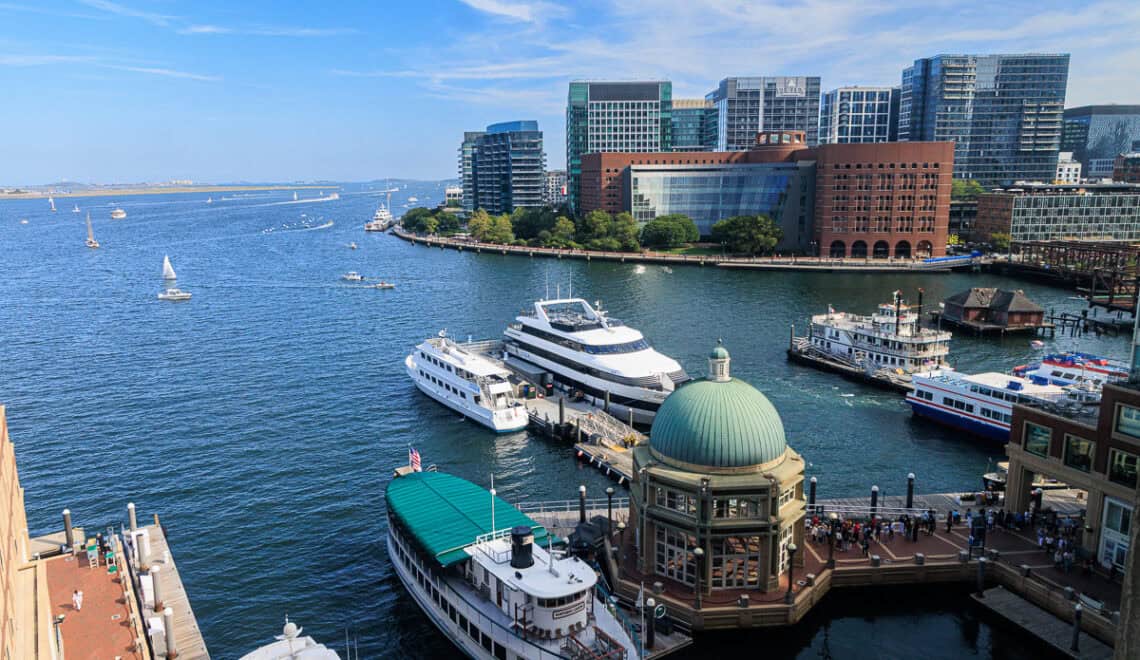
Boston has it all. It is the birthplace of the American Revolution and has more historic places and monuments than almost any other place in the United States. It is home to the esteemed Harvard University, as well as the beloved Red Sox and Patriots and their passionate fans. It is a foodie paradise, has gorgeous parks & charming neighborhoods, is compact and walkable, and offers spectacular views, particularly from the harbor.
In 5 days, you can get at least a taste! These days are certainly interchangeable, but we do recommend doing the food tour early in your trip, because you will get lots valuable information about the area from your local guide that you can use on the rest of the trip.
Table of Contents
** Please note that this page contains affiliate links, meaning we may earn a very small commission if you book through them (at no extra cost to you).
Where to Stay
Boston is full of desirable neighborhoods and wonderful hotels. For a first-time visitor, we recommend:
- Downtown Boston hotels for the most central locations, from which nearly all of the attractions listed below are walkable.
- Waterfront hotels near Long Wharf for views of the Boston Harbor, easy access to the New England Aquarium, and walkability to most attractions. (The Boston Harbor Hotel and Marriott Long Wharf are especially scenic and well located.)
- Back Bay hotels for elegant neighborhoods, upscale shopping, easy access to Fenway, and walkability to some attractions.
Day 1 – Boston’s Freedom Trail
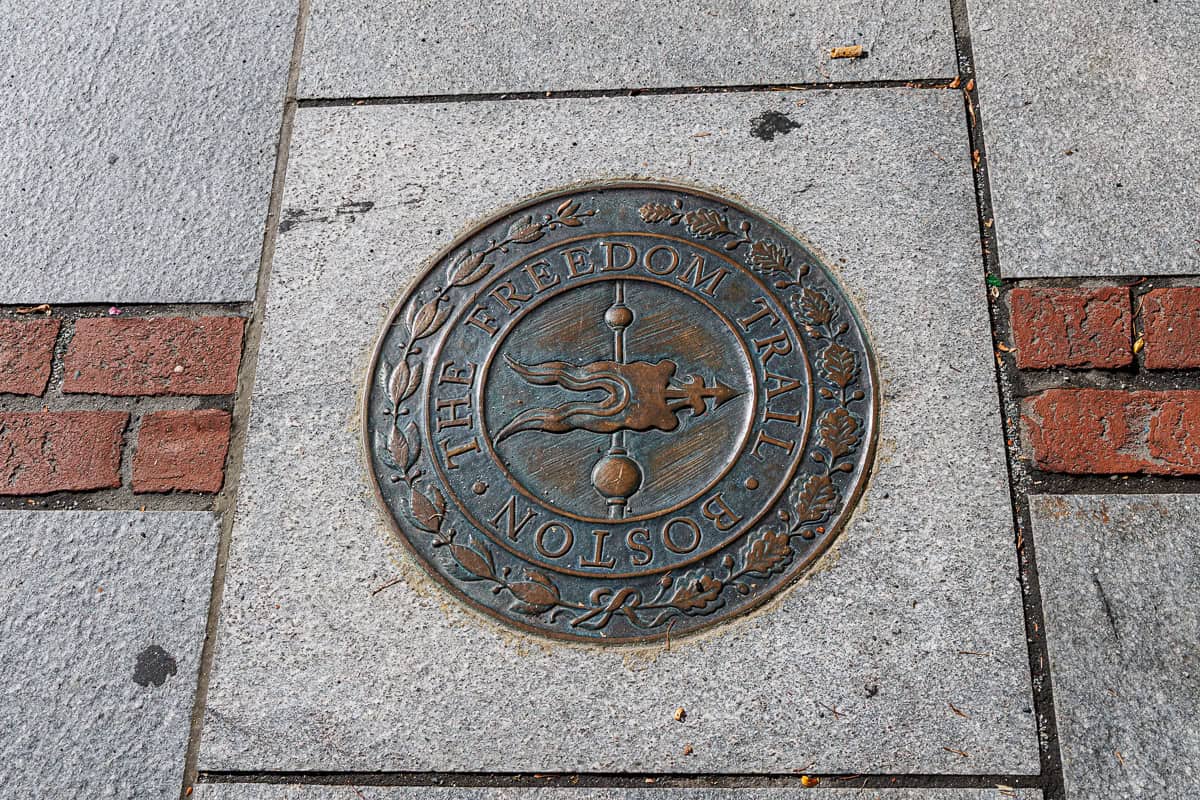
Drawing more than 4 million visitors each year, the Freedom Trail is Boston’s most popular attraction. The 2.5-mile walk, marked by a red-brick trail in the sidewalks, winds through Boston, past 16 major historic sites, telling the story of the American Revolution. A bronze Freedom Trail Medallion is set in the sidewalk in front of each site. Walking the trail on day 1 of your trip is a good way to familiarize yourself with the city.
Many of the sites along the Freedom Trail offer organized tours of the interior, so experiencing everything can make for a pretty long day. A map of the entire trail is here.
TIP: The trail is just 1.5 miles if you postpone Bunker Hill and the USS Constitution for another day, making it possible to complete the rest in one day at a leisurely pace, with time to enter some of the sites.
Freedom Trail Sites include:
Boston Common – Established in 1634, it is America’s oldest public park. It served as a British military camp before the war and was the starting point for the 1775 march of the Redcoats to Lexington and Concord, sparking the war’s opening battles. This is the starting point for the Freedom Trail.
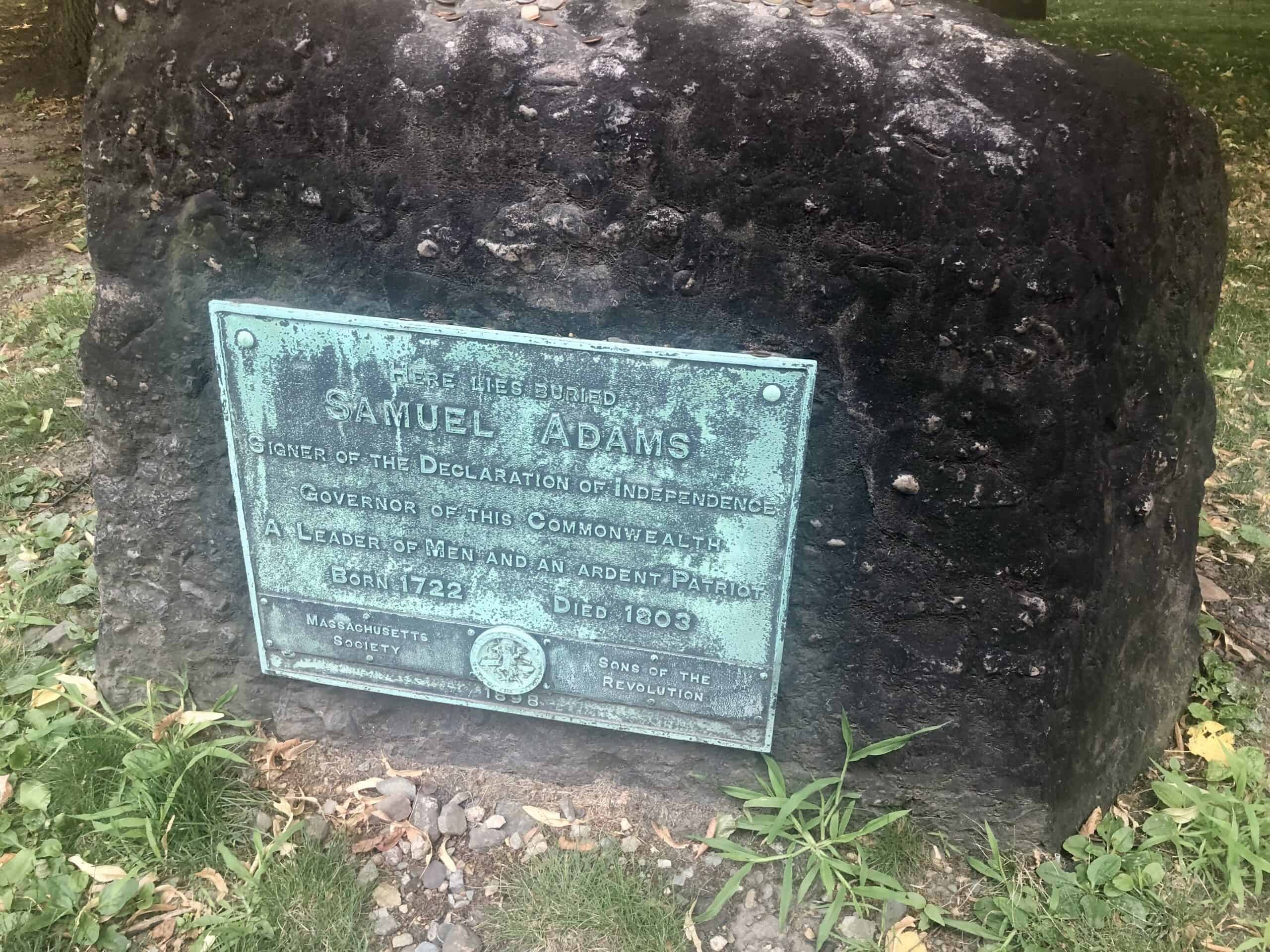
Granary Burying Ground – Final resting place for John Hancock, Samuel Adams, Paul Revere, and the joint graves of the five victims of the Boston Massacre.
Old South Meeting House – In the days leading to the American Revolution, citizens gathered here to protest the Boston Massacre and the tea tax. In an overflowing meeting on December 16, 1773, the Boston Tea Party began.
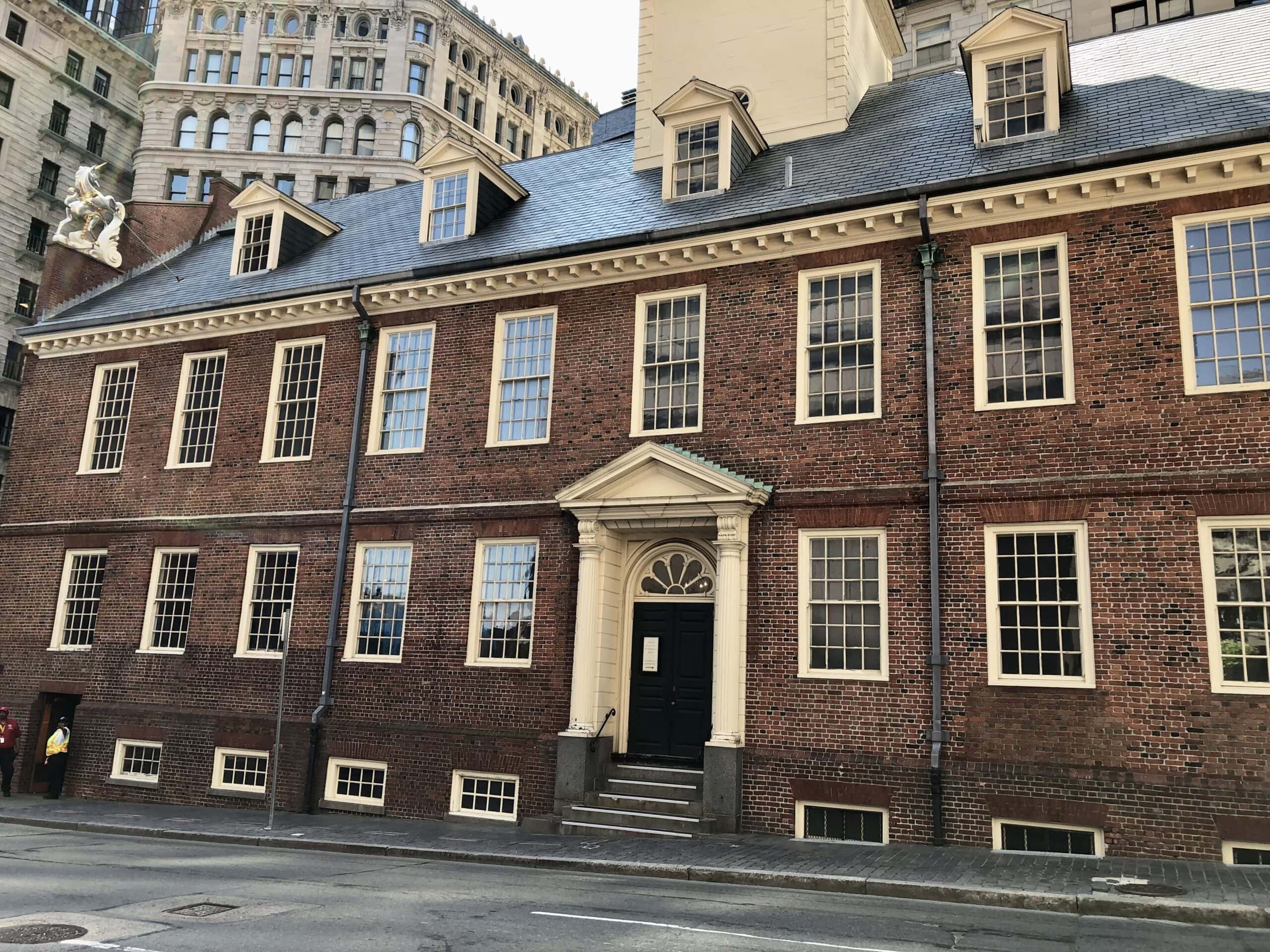
Old State House & Boston Massacre Site – Built in 1713, this landmark served as the seat of government. From the balcony, the Declaration of Independence was read to Bostonians for the first time on July 18, 1776. Just outside is the site of the 1770 Boston Massacre.
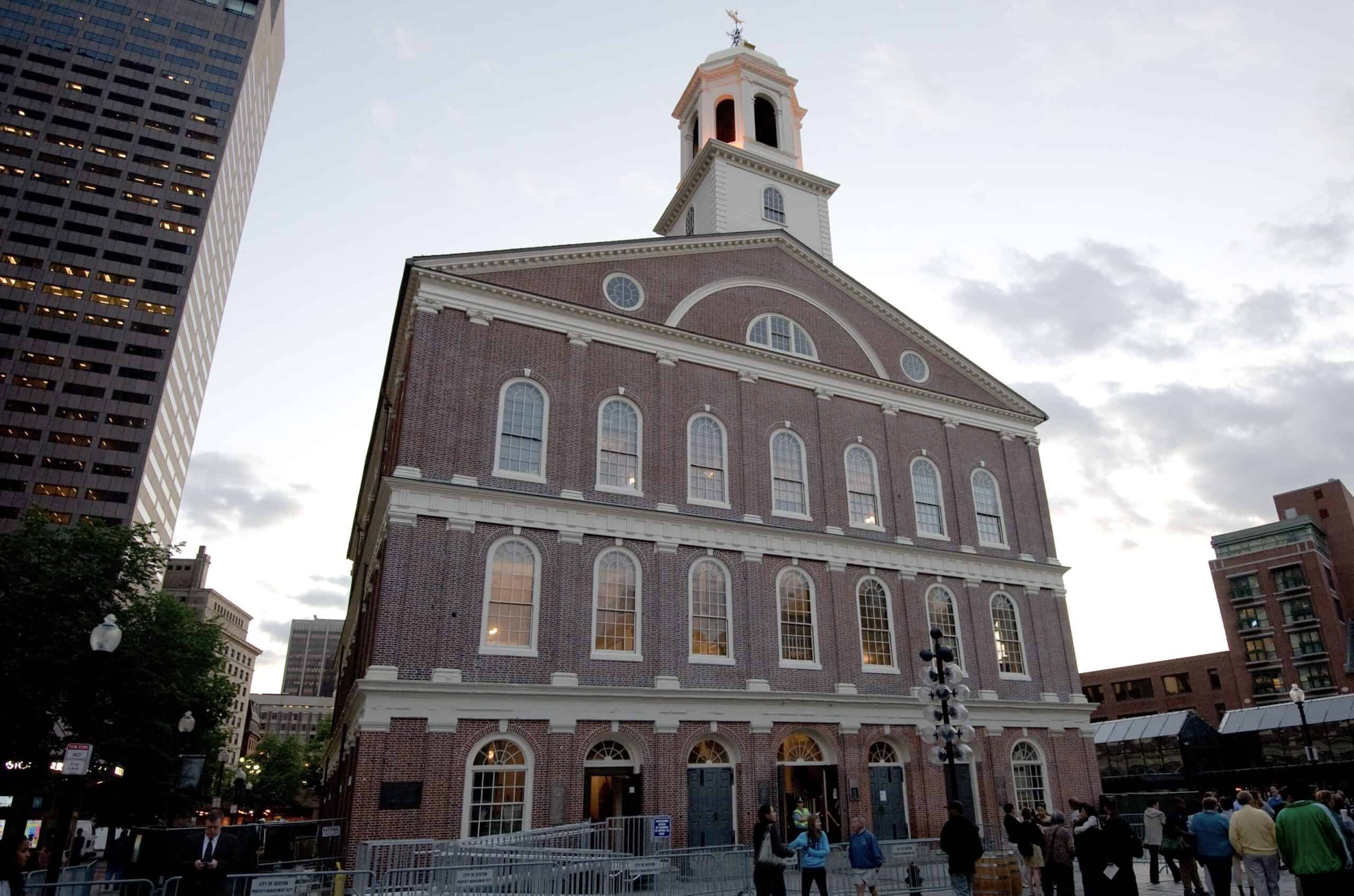
Faneuil Hall – The 1742 building was known for its Revolutionary-era protests, and is where the Sons of Liberty organized protests against the British. Even today, it remains a site for meetings, protests, and debate.
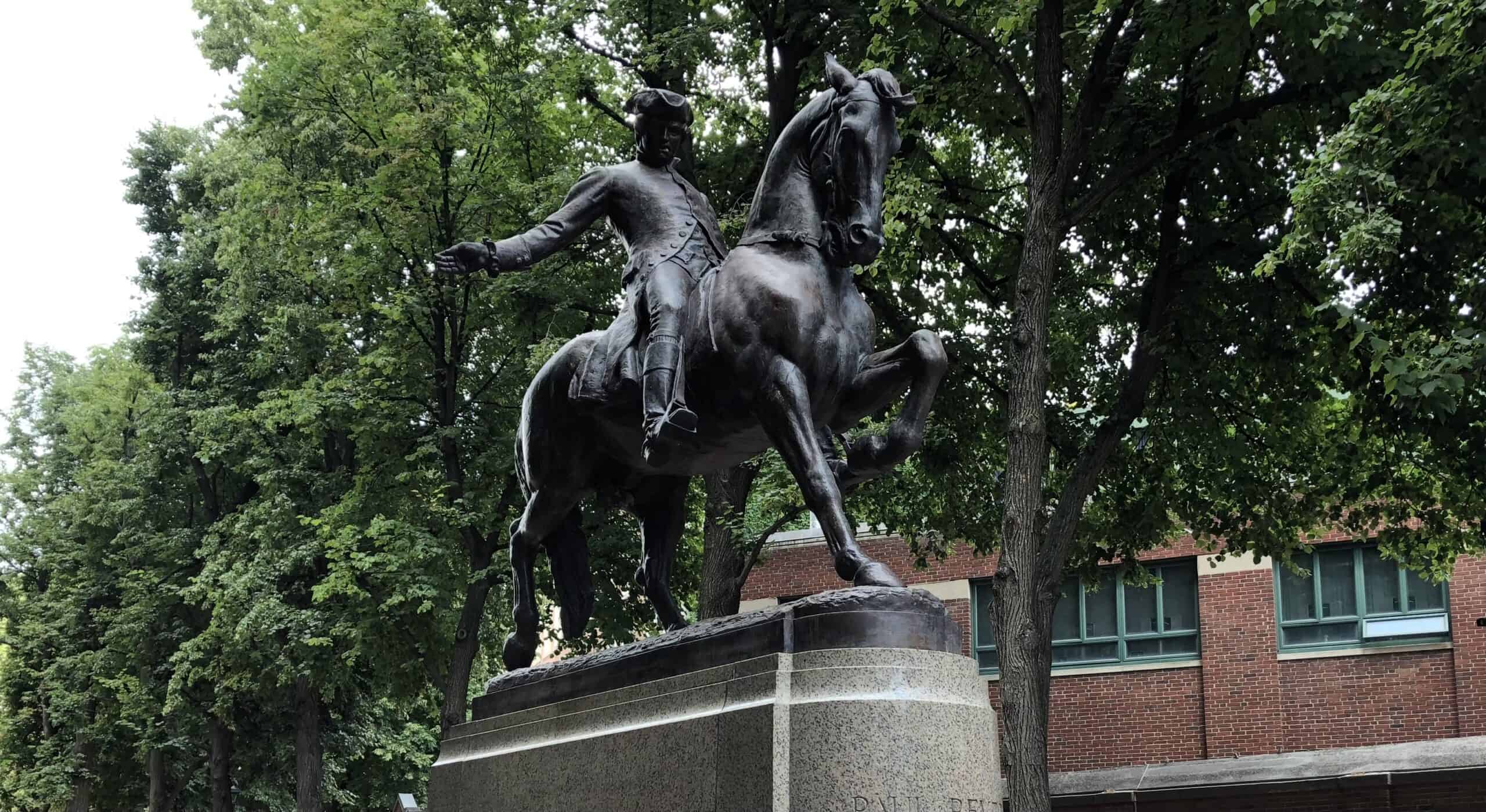
Paul Revere House – Home of the famous “Midnight Rider” himself, Paul Revere.
Old North Church – As a result of Revere’s warning, 2 lanterns were hung in this church’s bell tower to warn the city that the British were coming. The pre-arranged code was “one if by land, two if by sea”, immortalized by Henry Wadsworth Longfellow’s 1903 poem Paul Revere’s Ride.
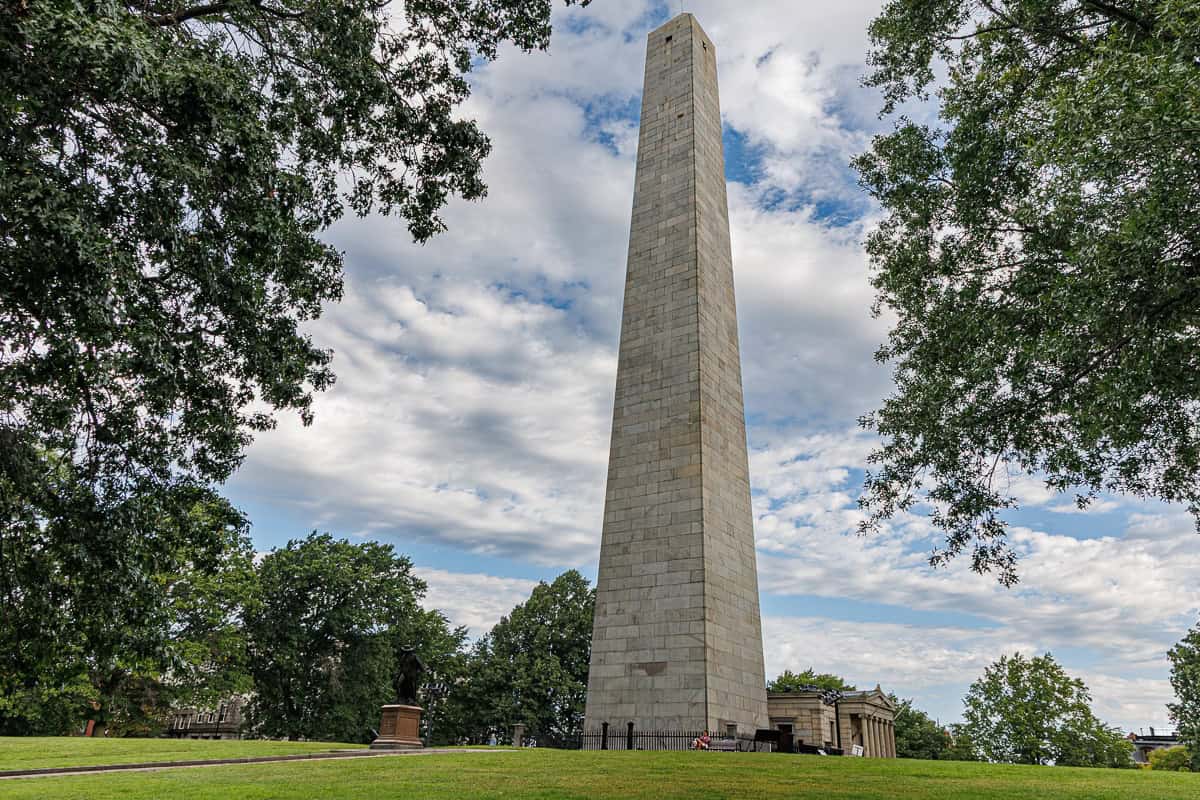
Bunker Hill Monument – The site of the first major battle of the war, resulting in heavy casualties on both sides. Marquis De Lafayette laid the cornerstone of the monument in 1825 and was later buried under soil collected from it.
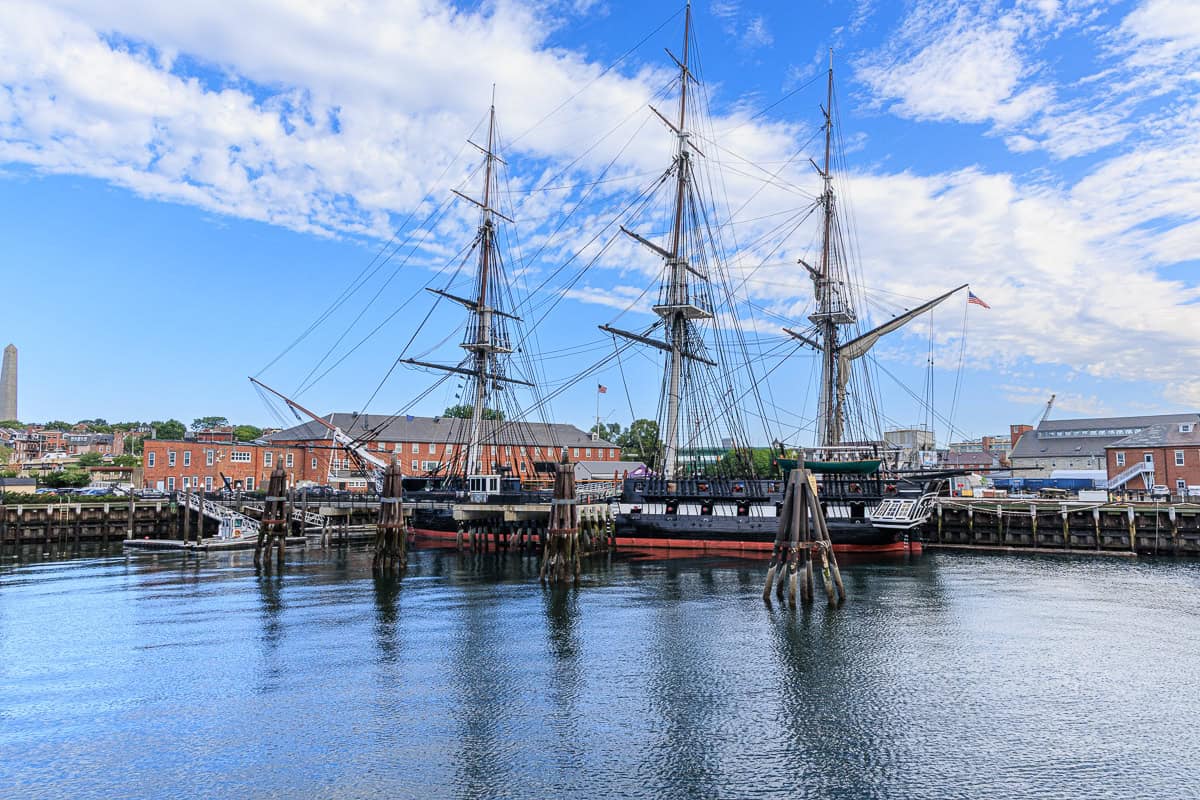
USS Constitution – Authorized by George Washington to protect the newly independent United States, the ship is the oldest in the US Navy. It remains staffed by naval officers and crew and still fires its cannons every morning and evening. An adjacent museum provides historical information and artifacts.
There are a variety of ways to see the Freedom Trail. Choose from hop-on-hop-off trolley tours (helpful if mobility is an issue), small group tours, period-costumed tours, and self-guided tours. One free and flexible way to experience much of the trail is to download the National Park Service’s audio guide. (All of these tours view the exterior of the attractions with the expectation that visitors will double back and go inside the sites that most interest them.)
On our first visit, our family group of 8 people took a private tour with The Revolutionary Story; it was outstanding.
Day 2 – North End Food Tour & Harbor Cruise
A food tour is a terrific way to get to know a city. You get a small group, a knowledgeable guide full of historical facts and interesting stories, a deep dive into a neighborhood, and a chance to munch on tasty local specialties along the way.
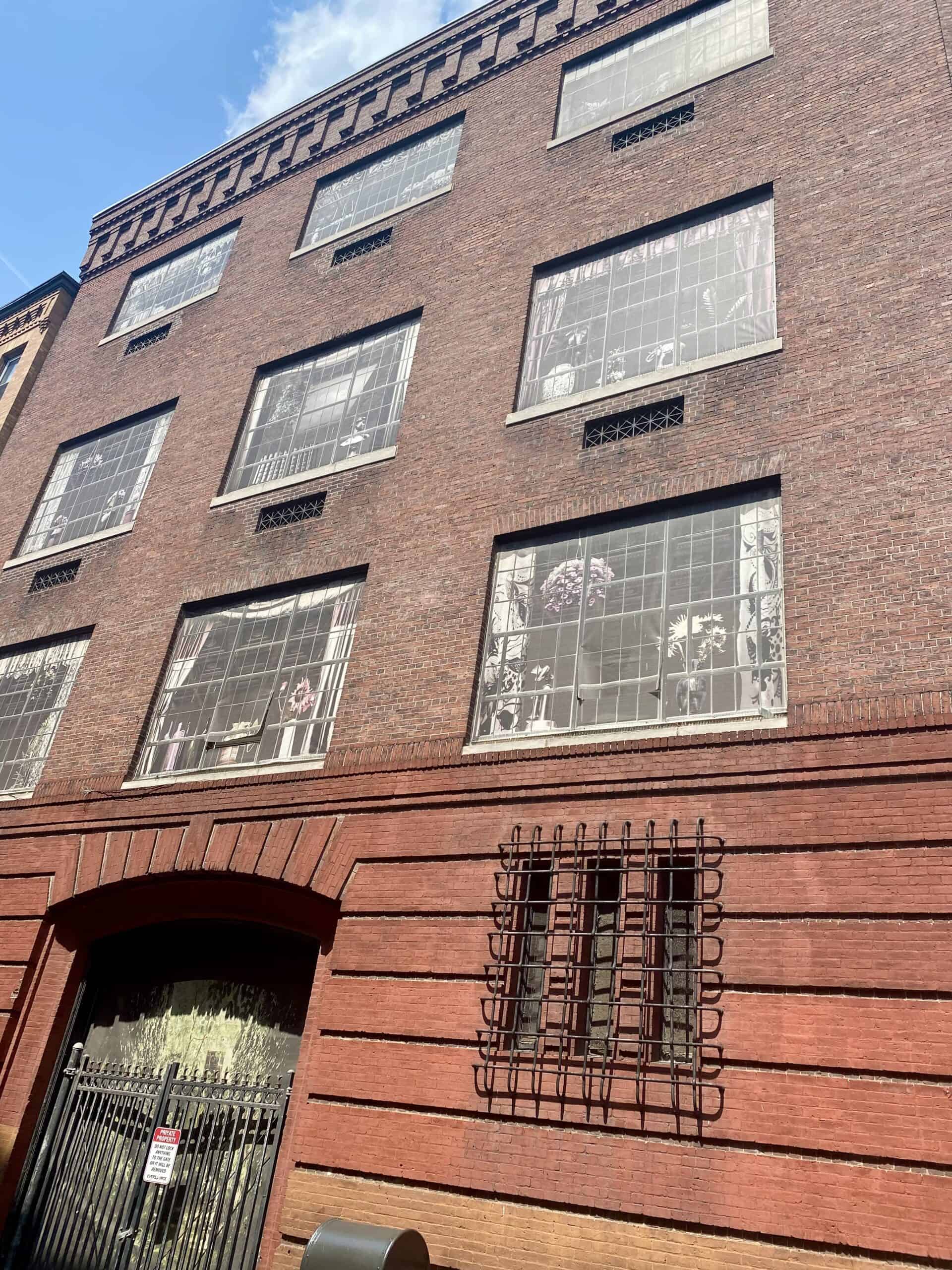
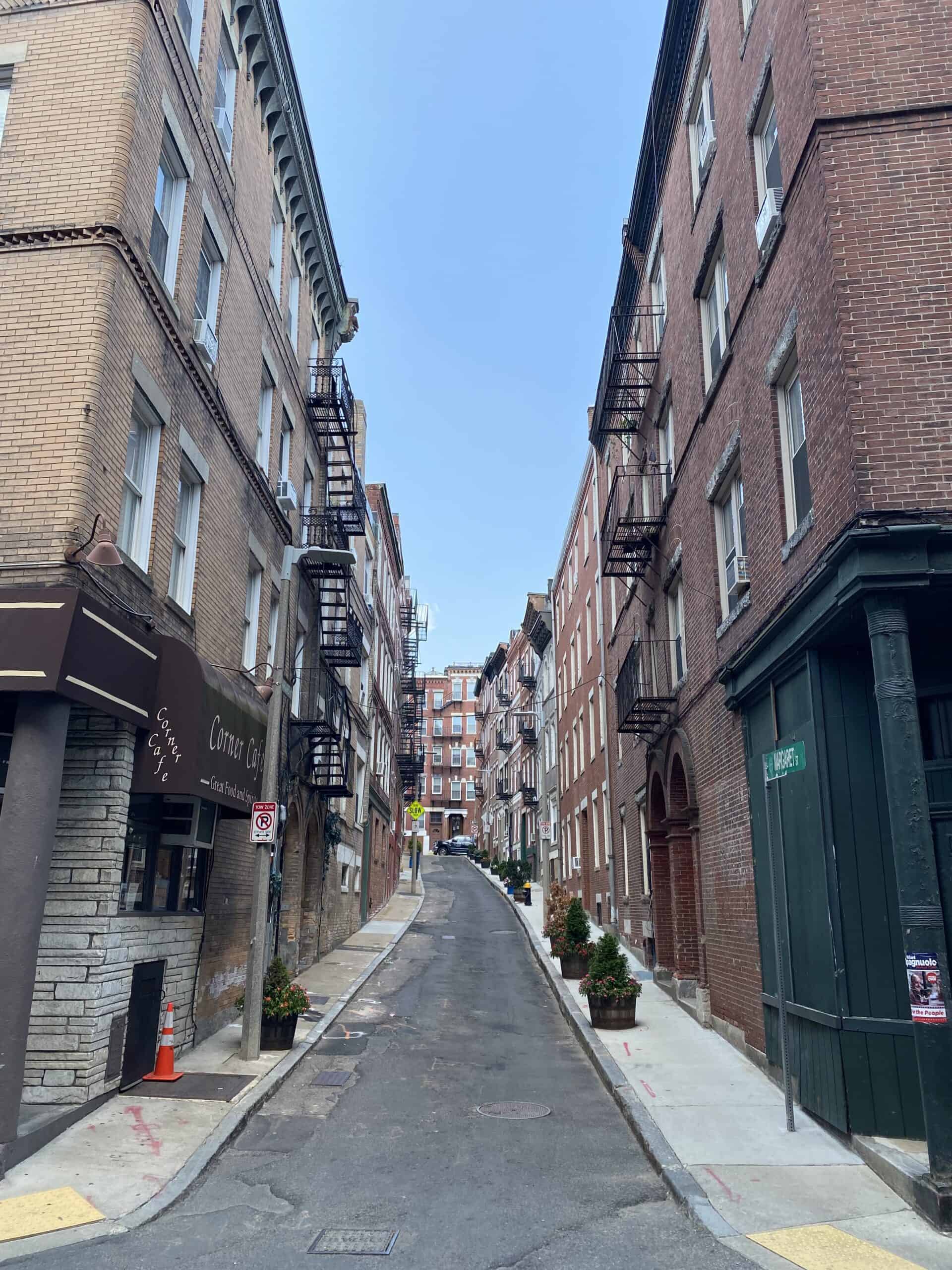
Boston’s North End is the perfect place for such a tour. In the late 19th and early 20th centuries, tens of thousands of Italian immigrants, largely from Southern Italy, came to Boston to escape poverty and crushing taxes. Due to its proximity to job opportunities at the waterfront, a majority of them settled in the North End. Boston’s Little Italy was born and is still thriving today. With its narrow streets, historic buildings, small, family-owned restaurants and bakeries, old-world cafes, and – best of all – the legendary “cannoli wars”, the North End is a delightful place to visit.
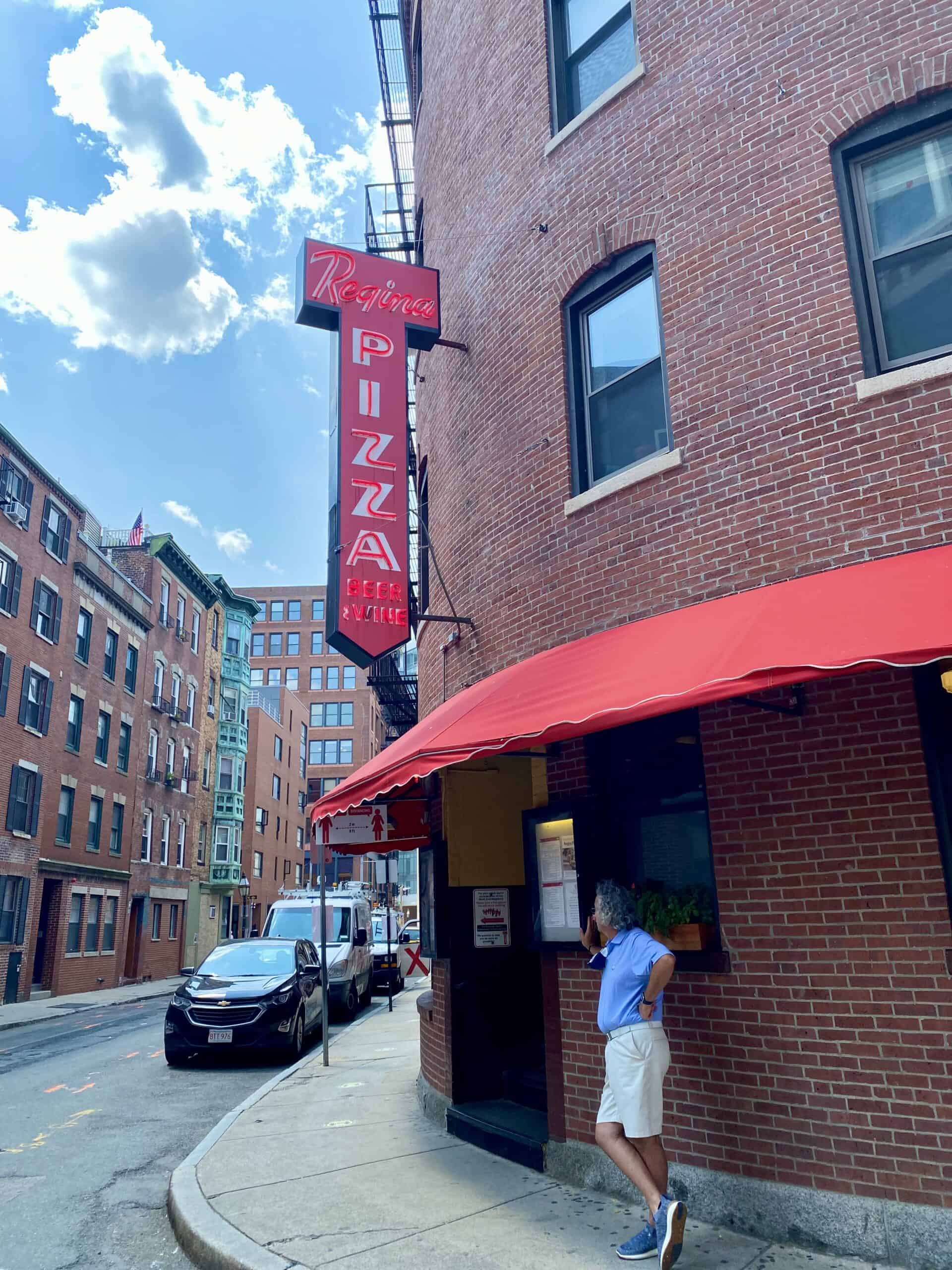
We loved our tour with Boston Foodie Tours, owned and operated by Boston native Audrey Giannattasio. With her as our guide, we gained insight into the area and its unique architecture. Wandering through the streets, we were regaled with tales of the past and present. Every few blocks, we were treated to tastings: pizzas, balsamic vinegars, handmade pastas, salami, breads, and house-made mozzarella. And of course, we were encouraged to taste the competing cannolis and take a vote as to which should win the war.
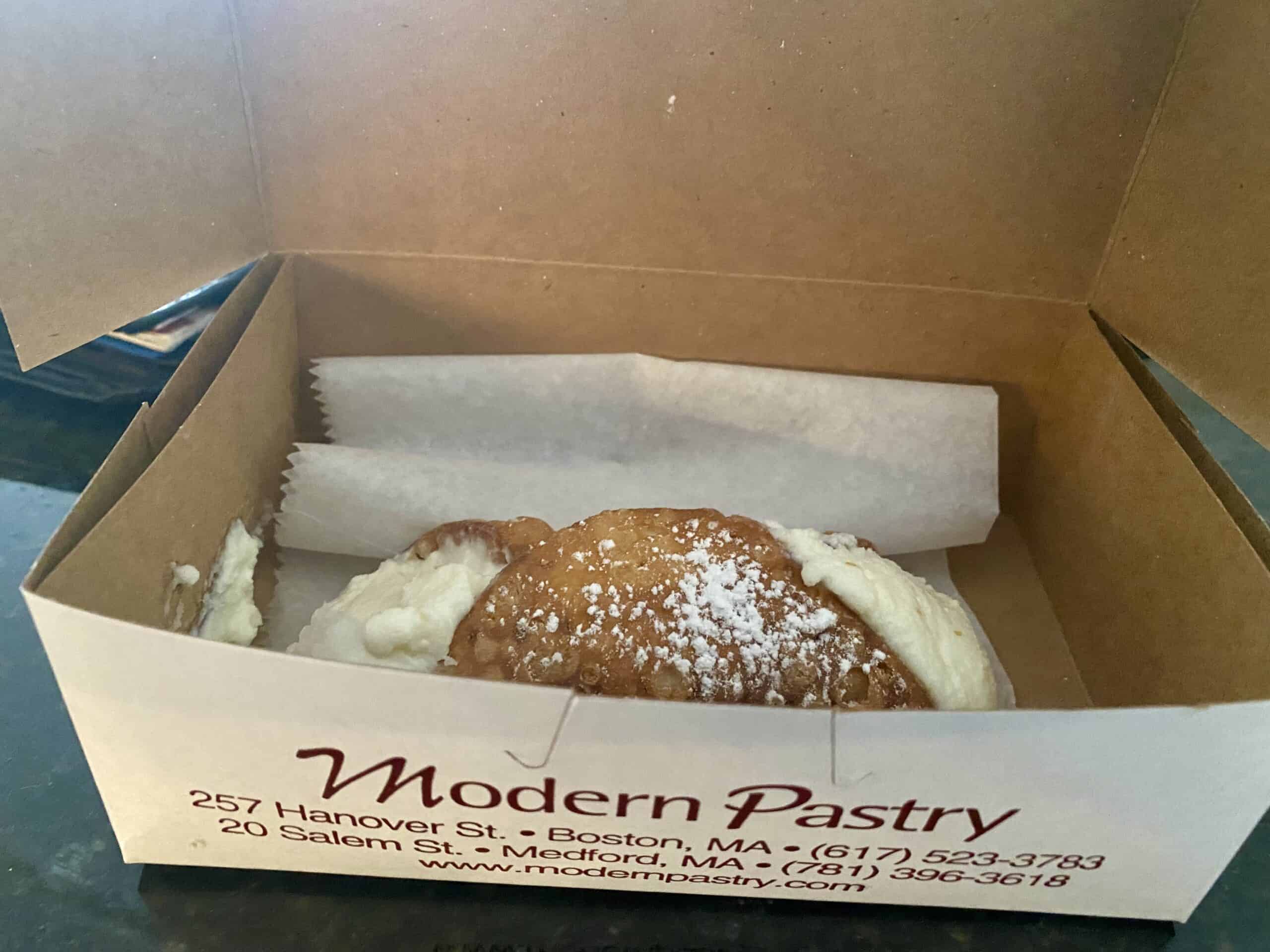
Suffice it to say, you won’t need breakfast or lunch on this day.
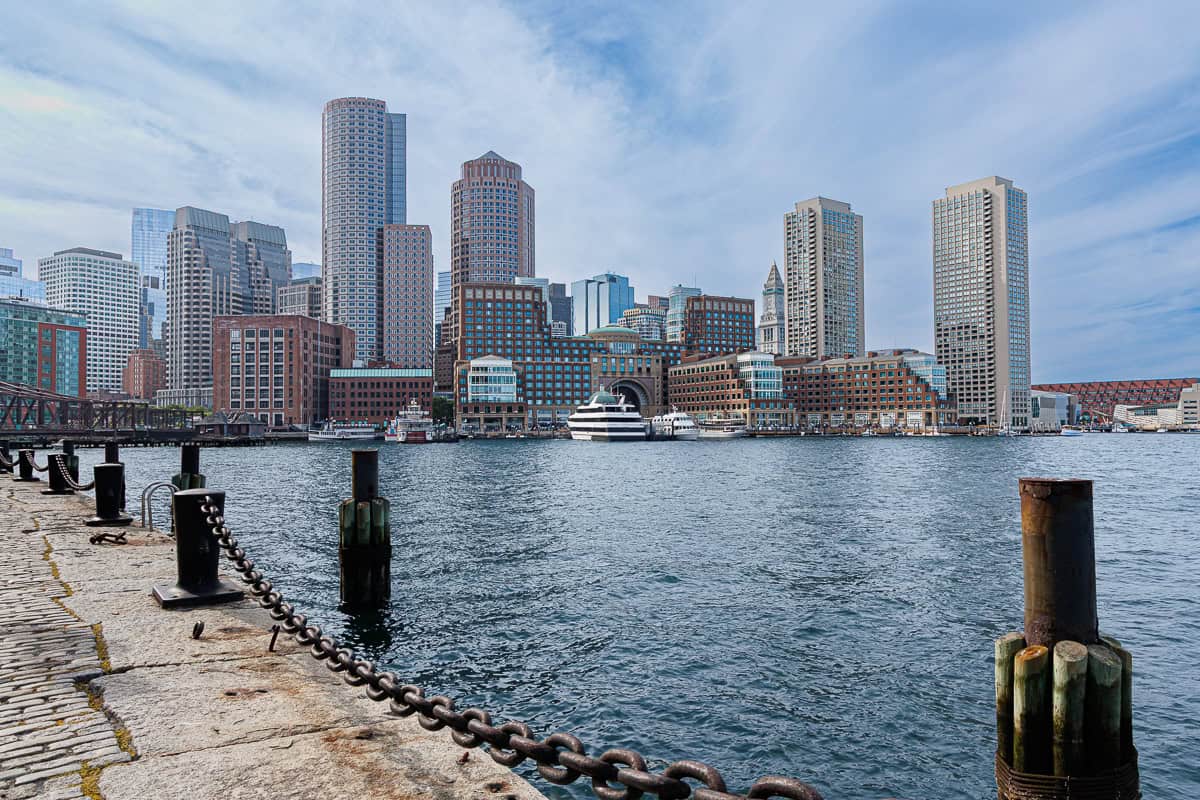
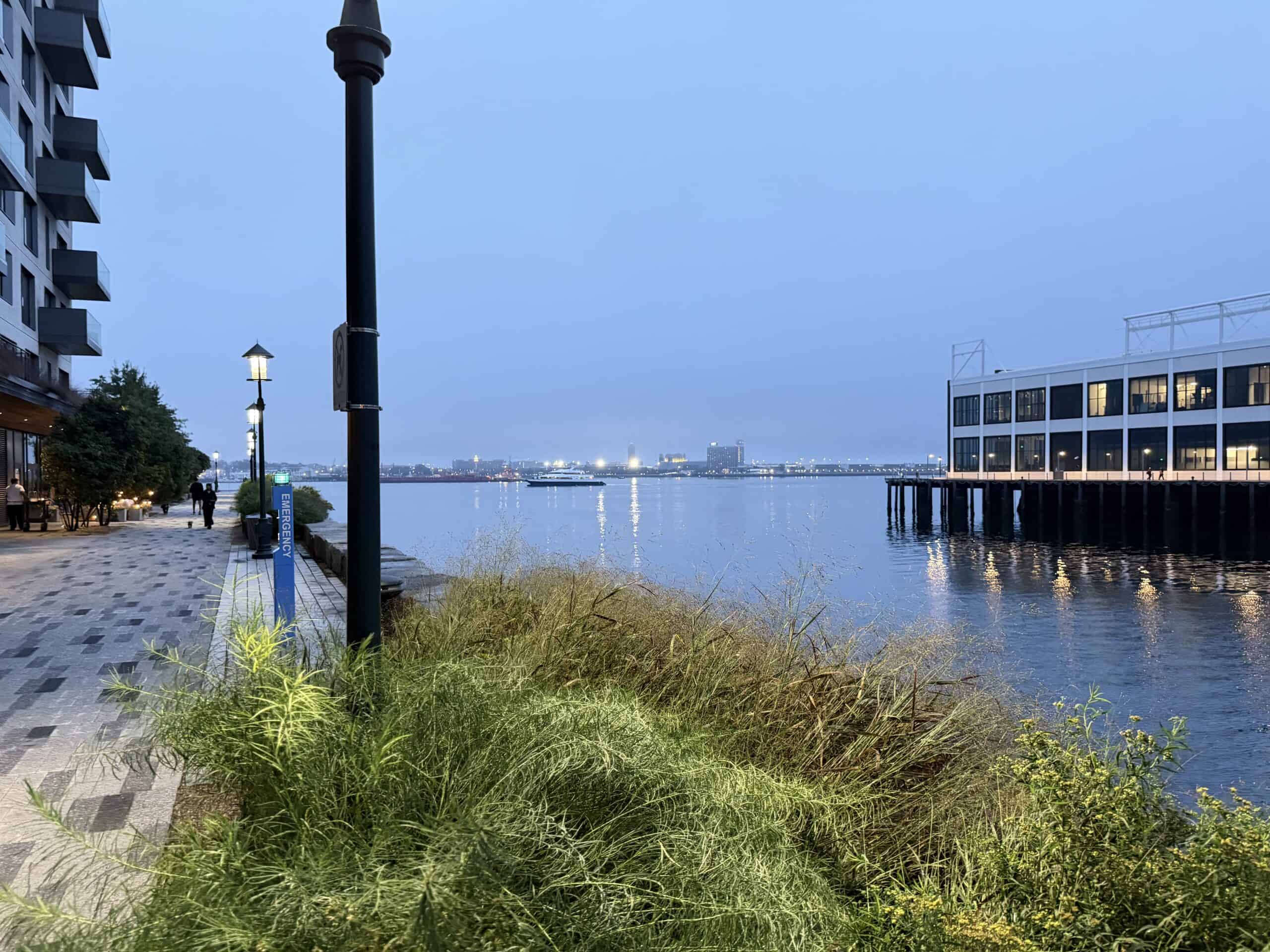
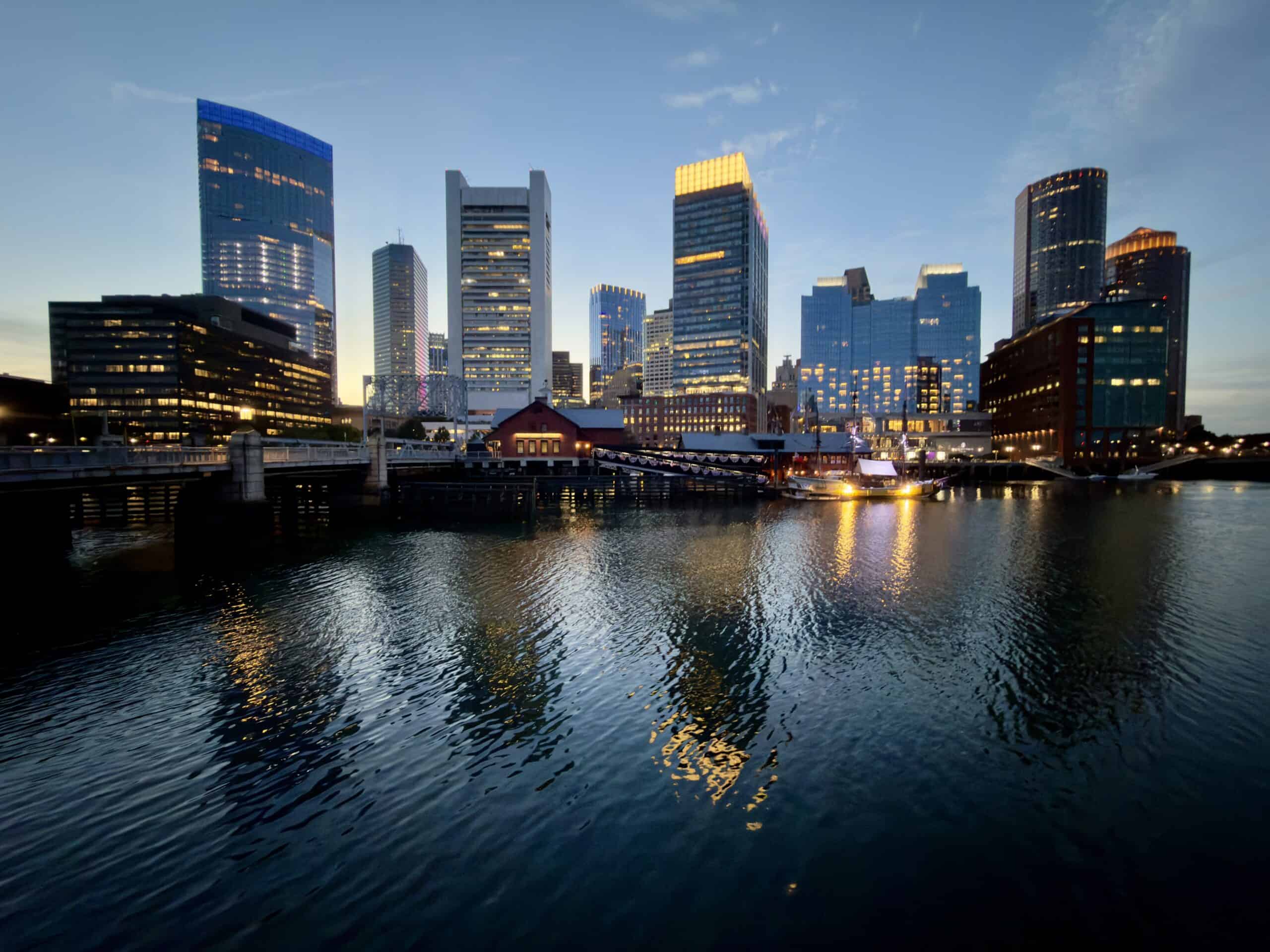
After your tour, walk (or perhaps a waddle!) a short distance to the Boston Harbor. Classic Harbor Line offers a variety of tours aboard either a yacht or a schooner, including sightseeing cruises, sunset cruises, and even a ghost tour. Before or after your cruise, walk further south along the waterfront to the Seaport District, with beautiful walkways, art, retail shops, and spectacular views. If your fullness from the food tour wears off, there are abundant choices for dinner in the area.
Day 3 – Parks & Choose Your Own Adventure
Green space has always been important to Bostonians, and the city is home to more than 200 public parks. Two of the best are conveniently located next to each other.
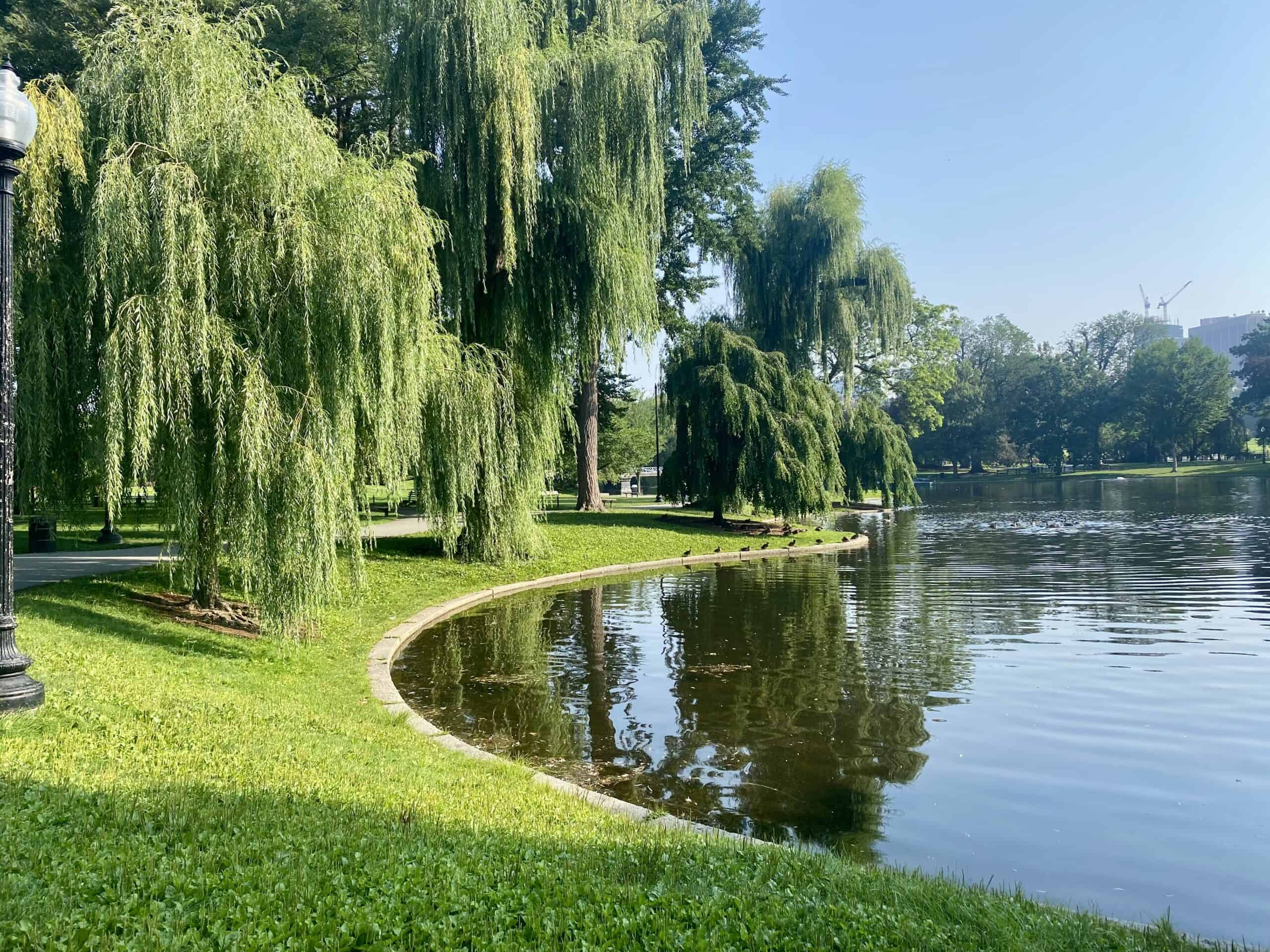
Boston Common, established in 1634, is the oldest park in the United States. Its varied history includes early use as grazing land for cattle, being the site of public executions for breaking harsh Puritan religious laws and for witchcraft in the 1660’s, serving as an encampment for the British troops before the Revolutionary War, hosting rallies and meetings for the women’s suffrage movement in the early 1900’s, and hosting speeches by famous public figures like Martin Luther King, Jr., Gloria Steinem, and Pope John Paul II. The park is the official starting point of the Freedom Trail.
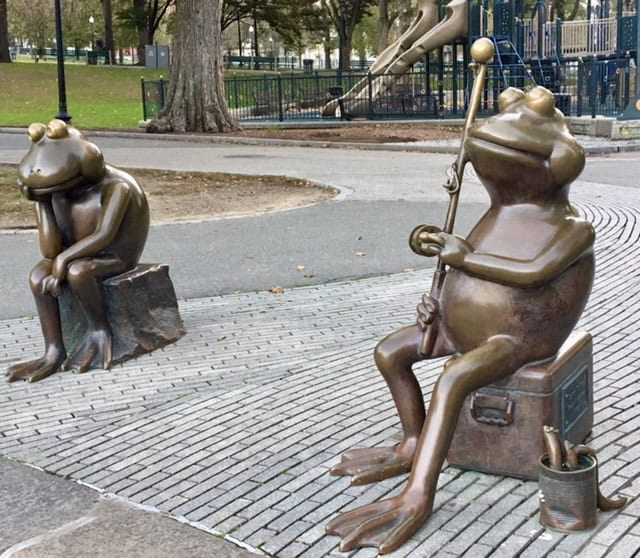
Today, visitors to the 50-acre park can enjoy wide-open spaces for playing frisbee or other sports, and historic monuments. In the heart of the park, Frog Pond features a carousel, a cafe, a large splash pool in summertime, and an ice skating rink in the winter. Not to mention multiple bronze frog statues! Take some time to amble through this park.
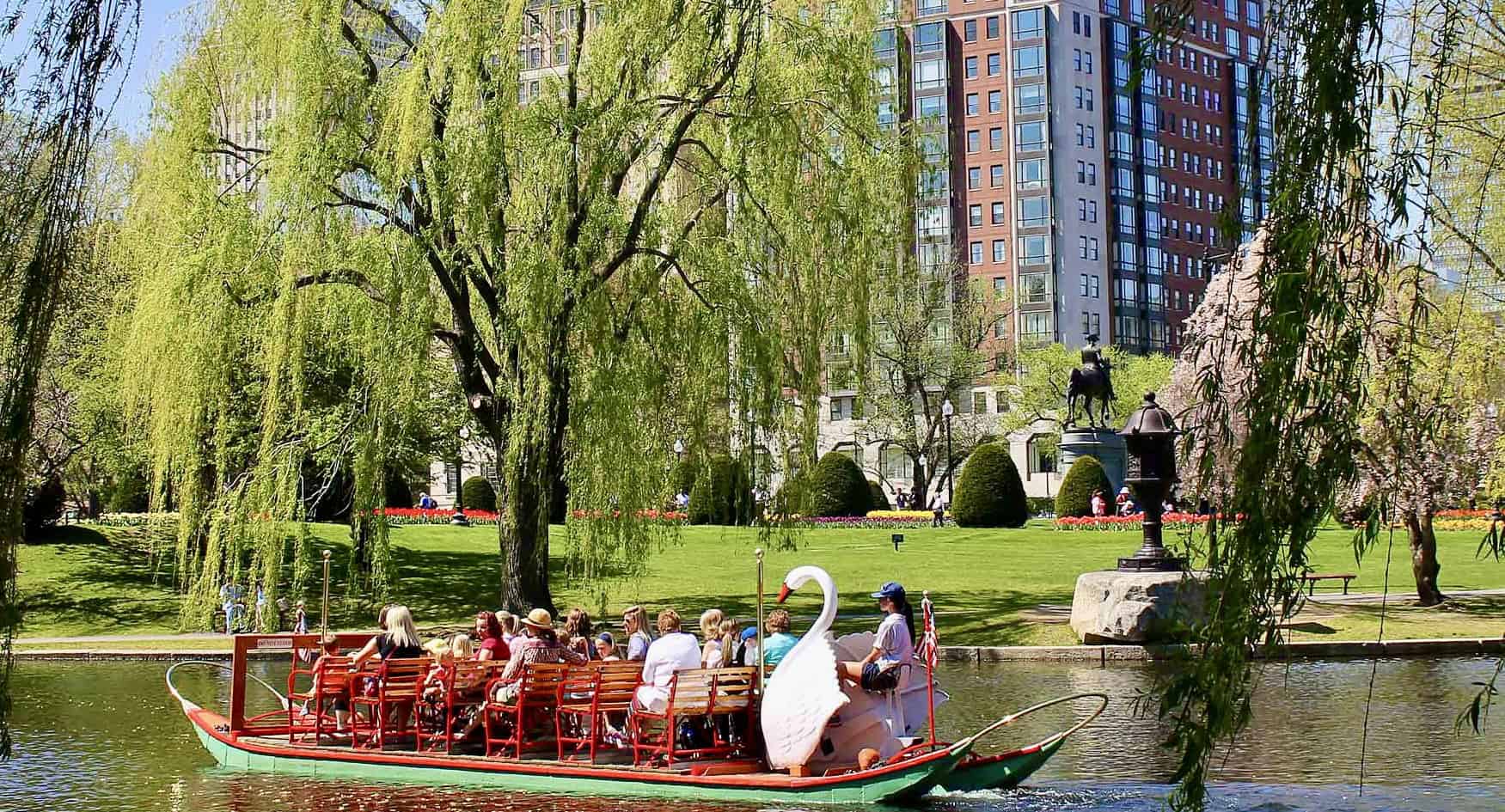
Next, step into the adjacent 24-acre Boston Public Garden. Established in 1837, it was the United States’ first botanical garden. The park provides a contrast to the Common, featuring Victorian-style manicured flower beds, fountains, walking paths, a pedestrian bridge, and 100 varieties of trees.
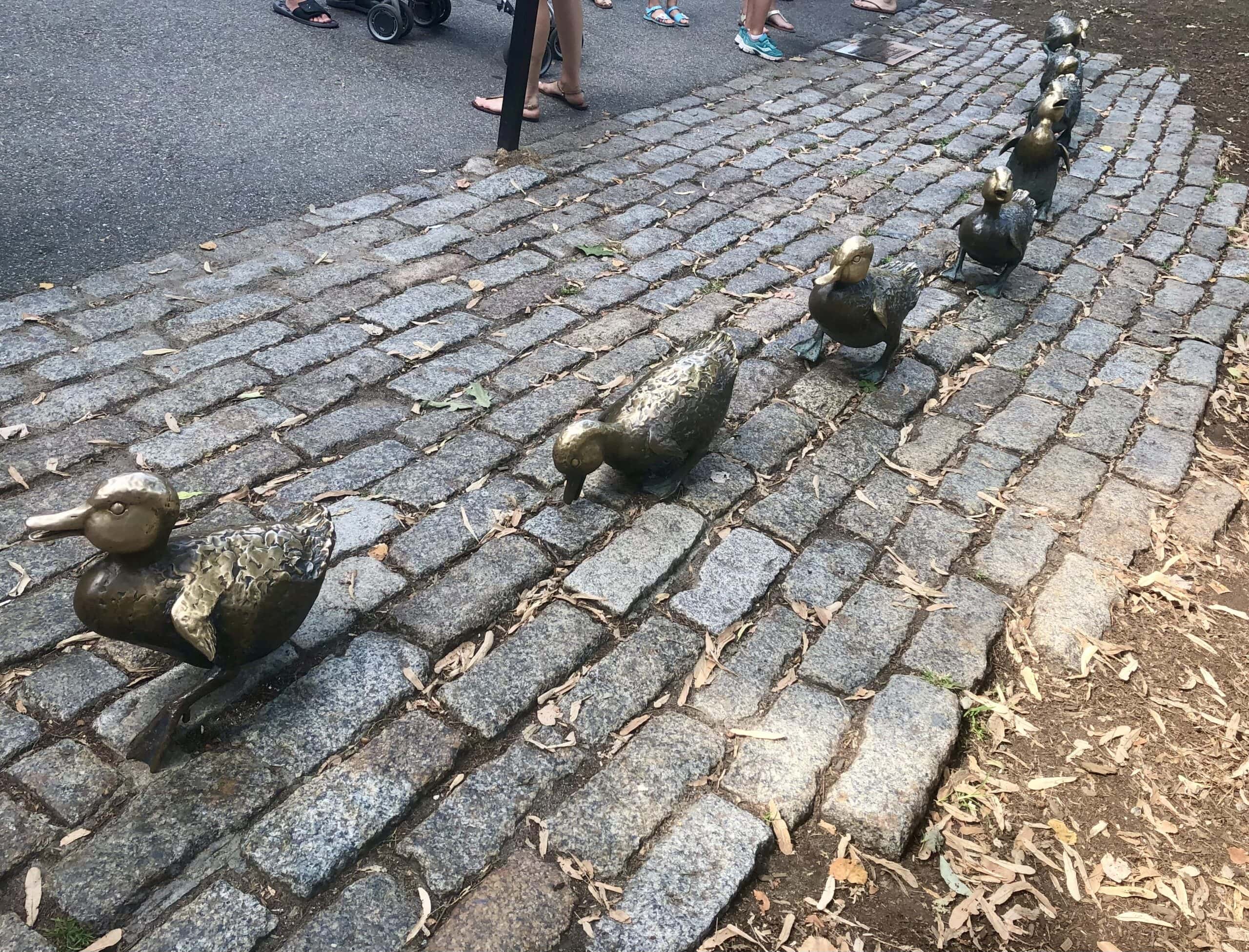
In warmer months, consider riding across the lagoon on one of the iconic pedal-powered Swan Boats. Spend some time wandering through the gardens and art installations, including the famous George Washington Equestrian Statue and the beloved Make Way for Ducklings statues, inspired by the children’s book.
If you have time, head out of the park on Charles Street and take a quick 5-minute walk to see one of the most photographed streets in the country: Acorn Street, in the Beacon Hill neighborhood. The charming, narrow cobblestone alley is lined with antique gas lamp posts and elegant, well-preserved row houses adorned with ivy and window boxes.
Enjoy lunch in one of the many delicious eateries in the area. Or, if you are a fan of the television show Cheers, grab your lunch at the actual Cheers, the bar that inspired the show, just across Beacon Street, the northern border of the Public Garden.
There are simply too many attractions in Boston to see in one trip. So this afternoon, choose the adventure that works best for your group, and plan to return on another trip to see the things you missed.
Three recommended options:
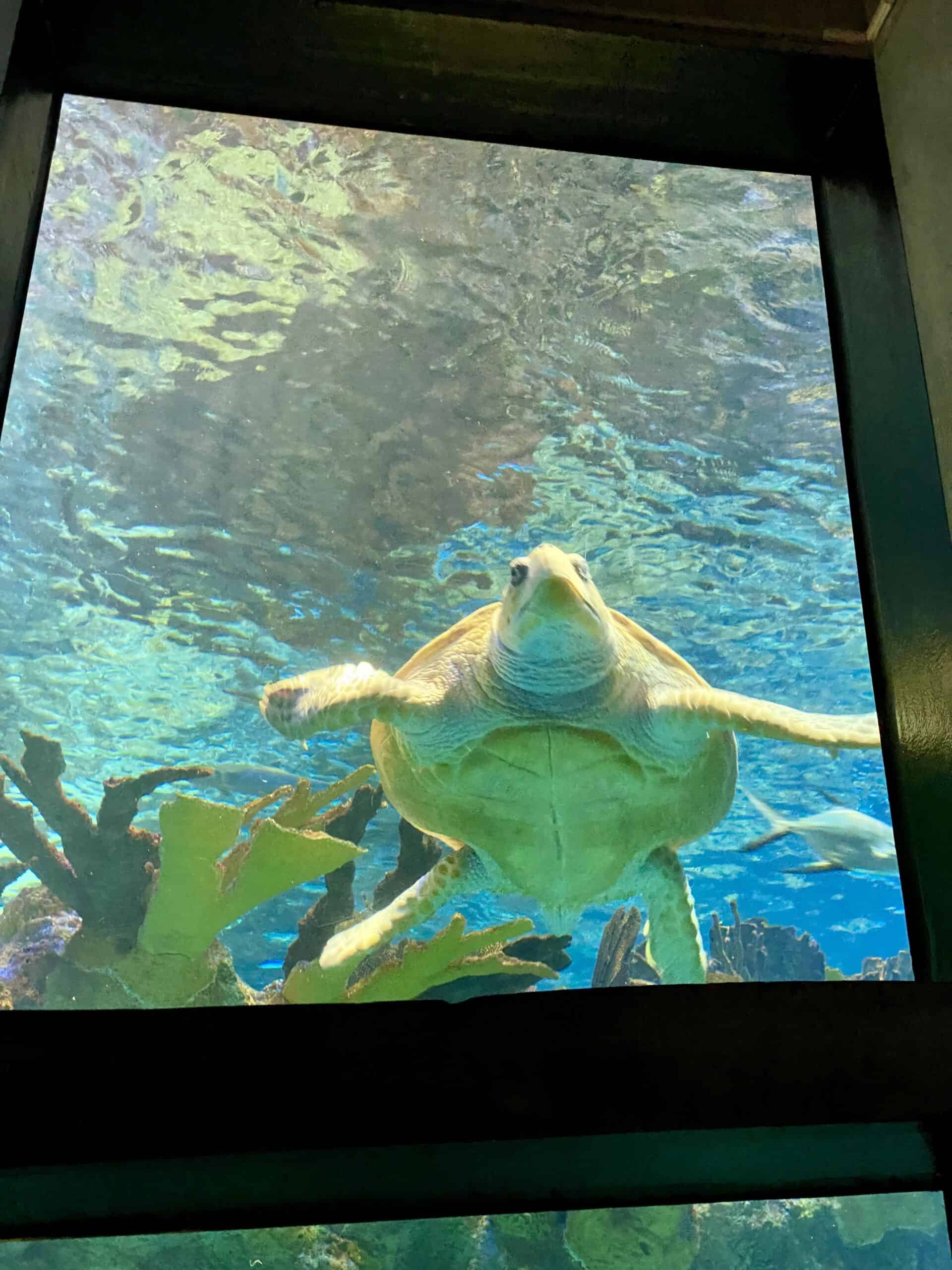
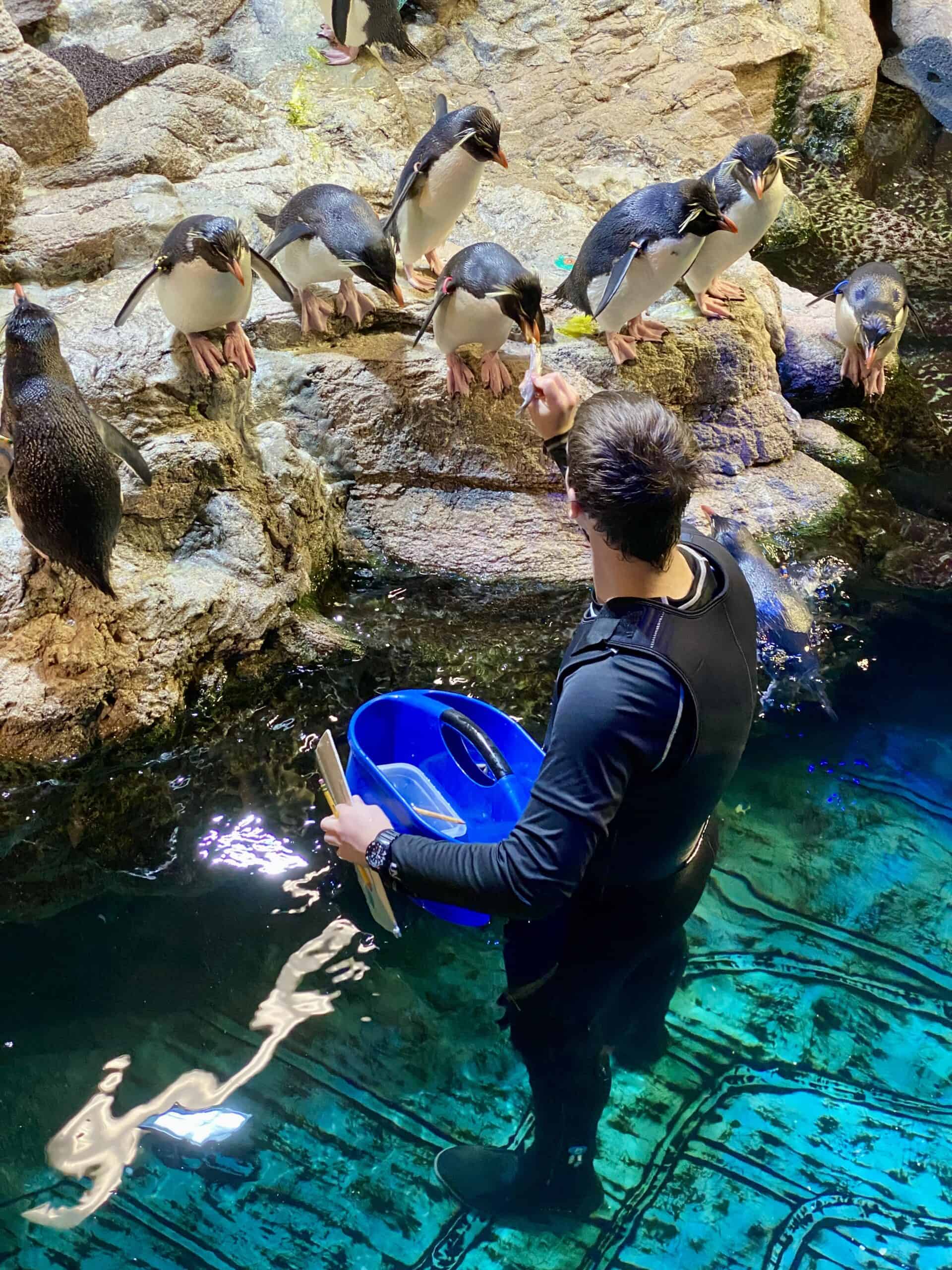
Back at the waterfront, the New England Aquarium is entertaining for visitors of any age. Centered around the incredible 4-story Giant Ocean Tank, you will wind your way up with 360-degree views of turtles, eels, stingrays, and barracuda, to name just a few. In the other areas, be sure not to miss the harbor seals, sea lions, and our favorite, the rockhopper penguins.
OR
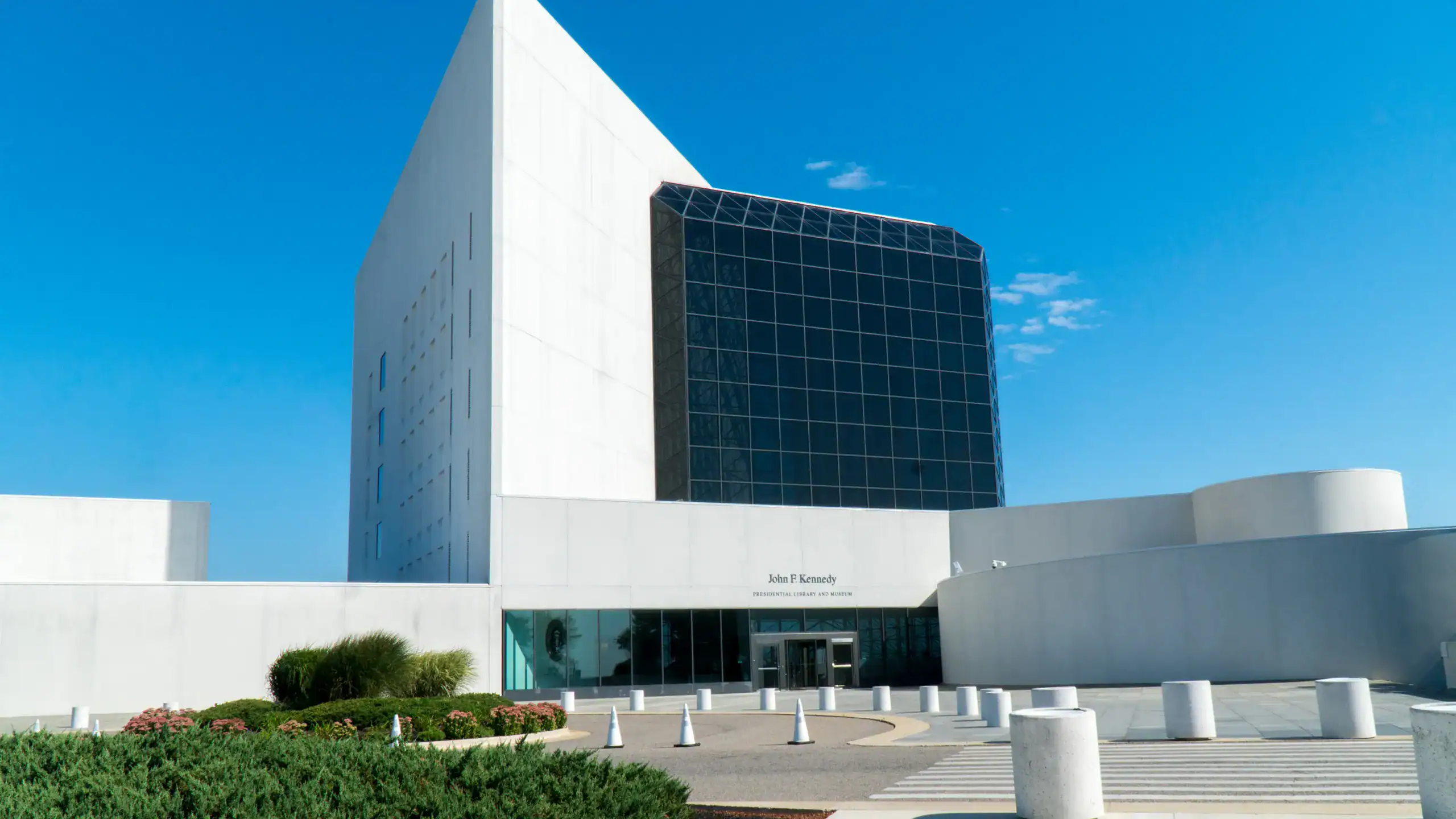
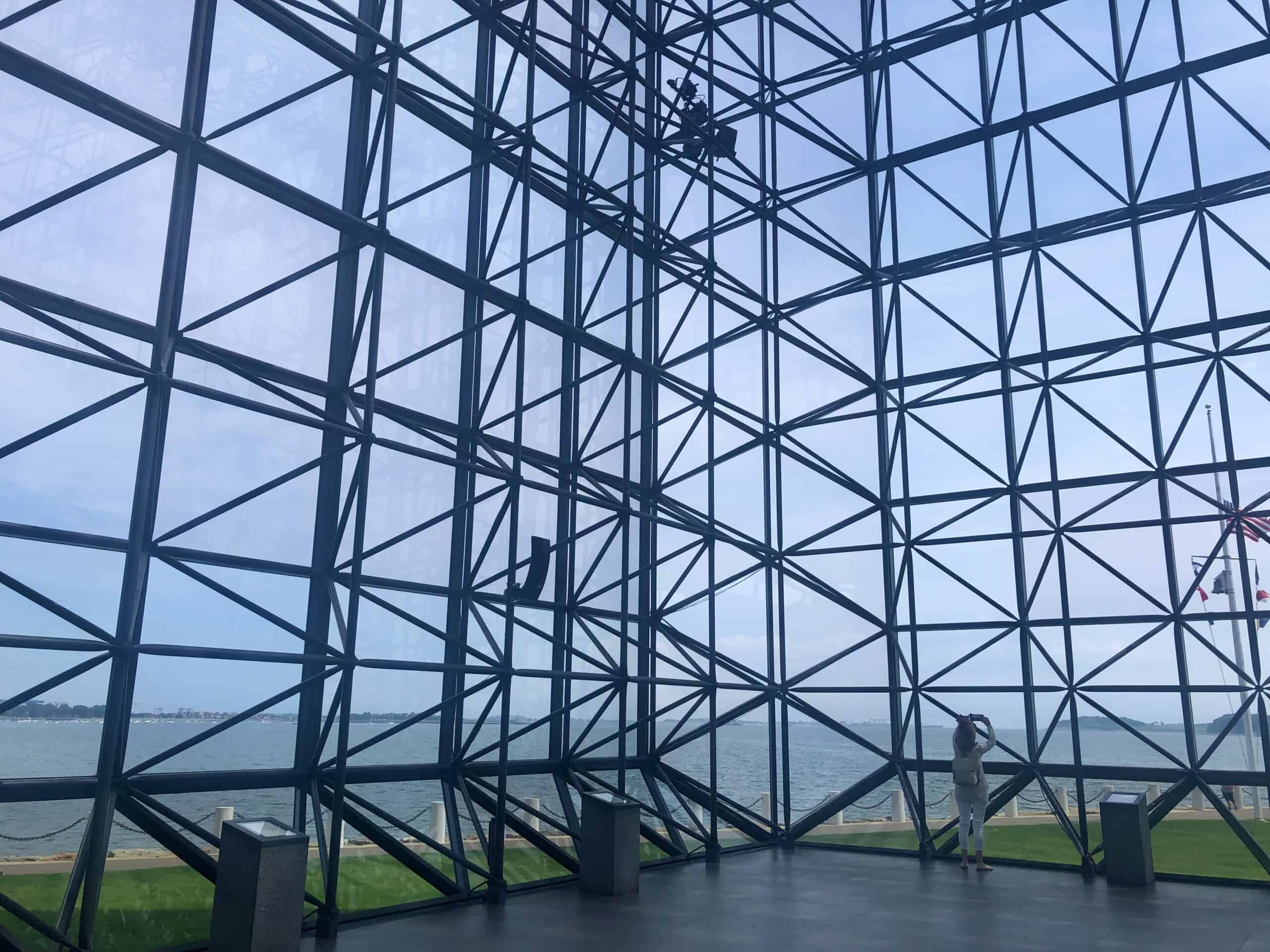
Head to South Boston via car or cab, and prepare to visit the visually stunning John F. Kennedy Presidential Library and Museum. Located on a peninsula overlooking the sea, a 115-foot dark glass-and-steel contemplation pavilion rises next to a stark white, 9-story concrete tower. The museum traces Kennedy’s life from his early years to his campaign and debate with Richard Nixon, to his presidency and the Cuban Missile Crisis, and through a somber, moving exhibit about his assassination. The final inspiring exhibit highlights Kennedy’s legacy.
OR
Drive, take a cab, or take the Red Line subway from Park Street Station near the parks to Harvard University. Perhaps the most renowned university in the United States, Harvard is located in Cambridge, just across the Charles River. Most of the stately campus is open to the public. The “Visit Harvard” app provides a free, self-guided tour, outlining the history and architecture of the expansive grounds. The campus is also home to art and natural history museums. The adjacent Harvard Square neighborhood is full of shops, restaurants, and cafes.
Day 4 – Day Trip
From Boston, there are all kinds of fun day trips. You can visit historic Plymouth Rock, hobnob with the rich and famous in the Hamptons, take in the arts and natural beauty of Cape Cod, explore literary history in Concord, tour Gilded Age mansions in Newport, Rhode Island, or view the enchanting lighthouses in Portland, Maine.
Two of our favorite day trips are also two of the closest and easiest!
Option 1: Whale Watching in Gloucester and Exploring Rockport
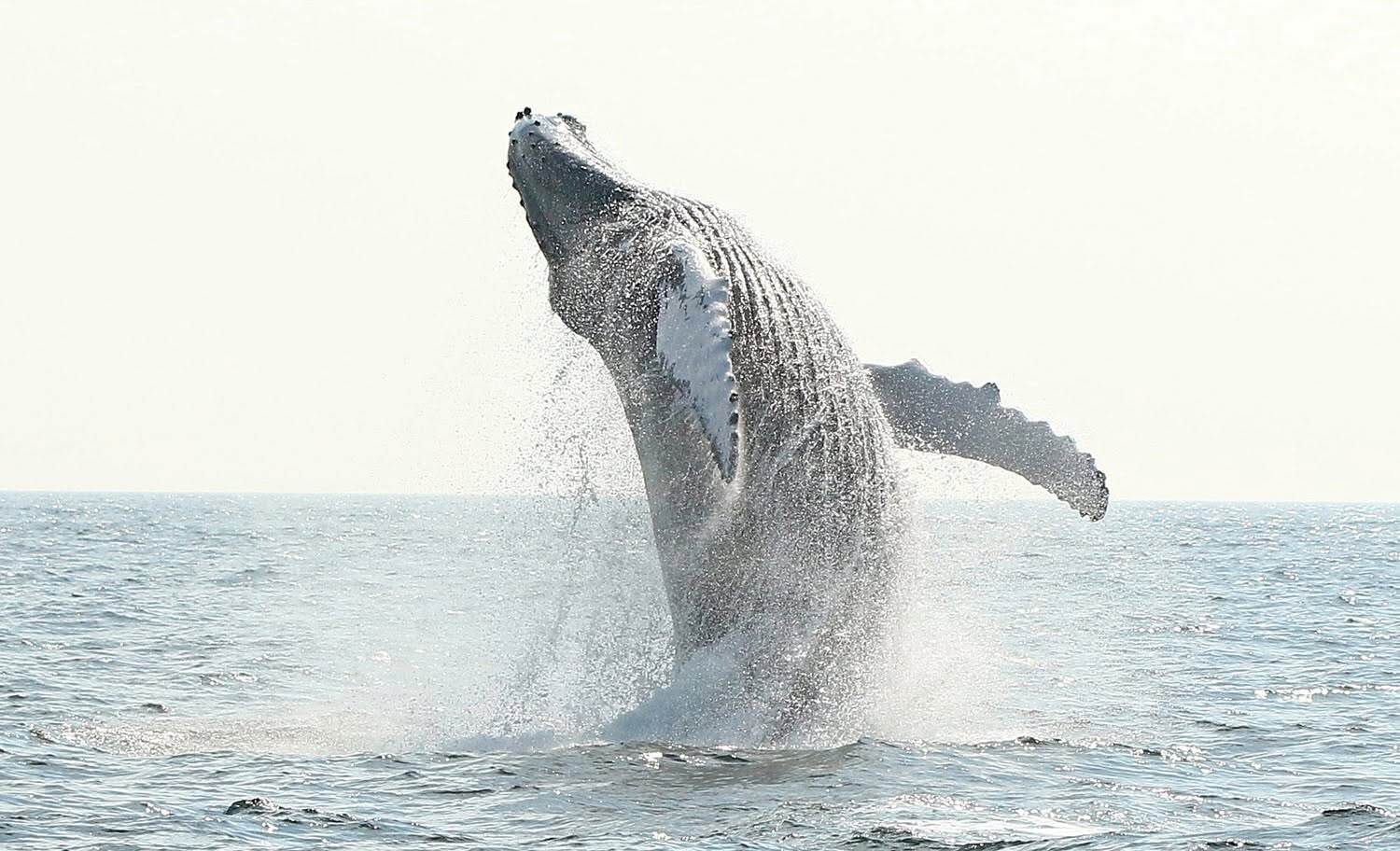
Whale-watching excursions between April and October are an awe-inspiring experience!
Tours depart from Boston, but they use larger, more crowded boats that must travel farther to reach an area of the Atlantic where whale sightings are likely. Instead, consider renting a car for the day and taking the 45-minute drive to Gloucester, located on a scenic, rocky peninsula: Cape Ann.
(Alternatively, you can take the trip via an inexpensive 75-minute commuter train ride on the Newburyport/Rockport Line. It just offers a little less flexibility.)
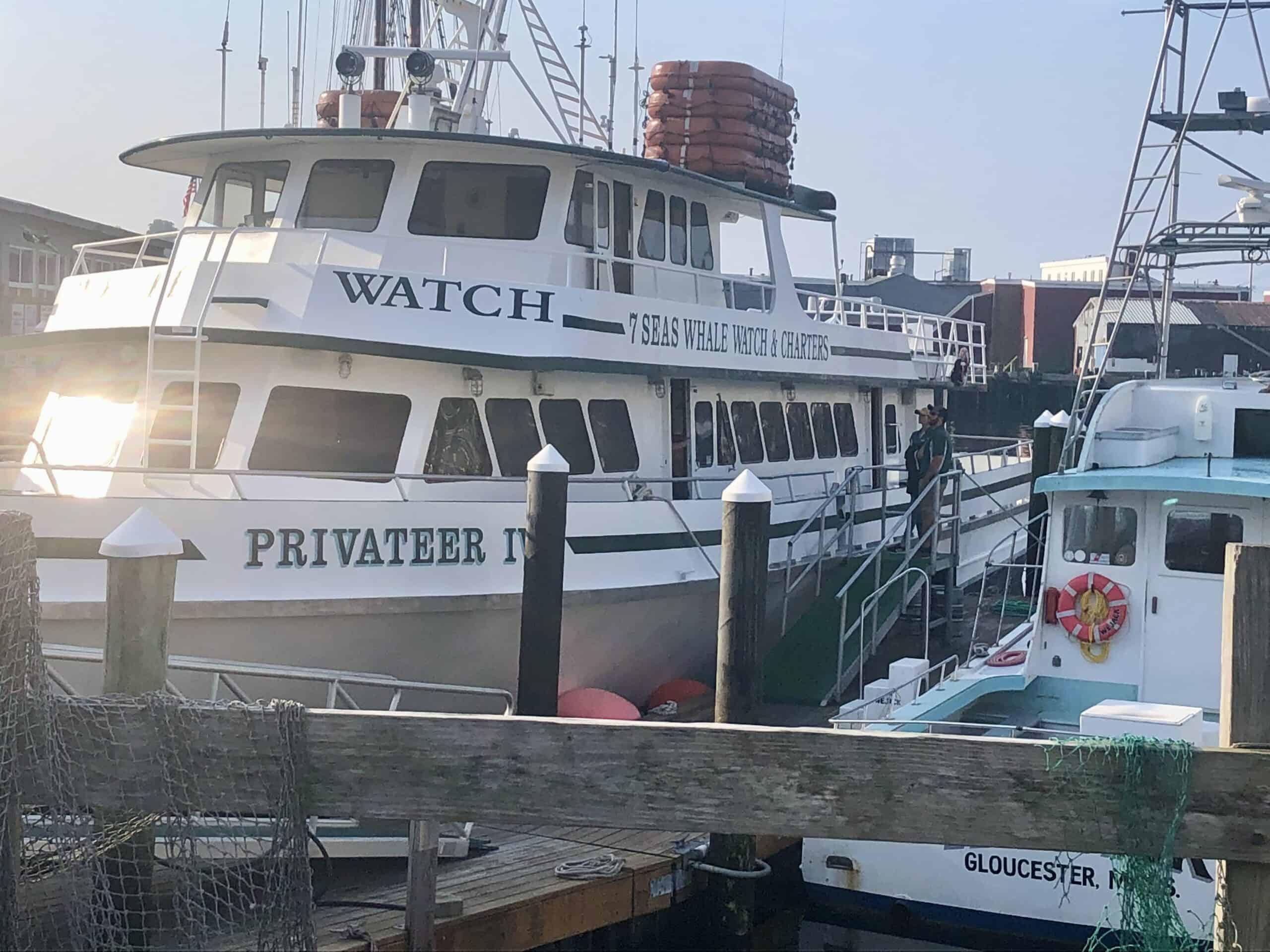
7 Seas Whale Watch boasts some of the most experienced sea captains in the area, a 99% whale-spotting record, and a knowledgeable, communicative staff. The boats are big enough to be stable and uncrowded, but small enough to get close to the whales. If possible, take a morning tour, with fewer people, fewer other boats, and calmer waters.
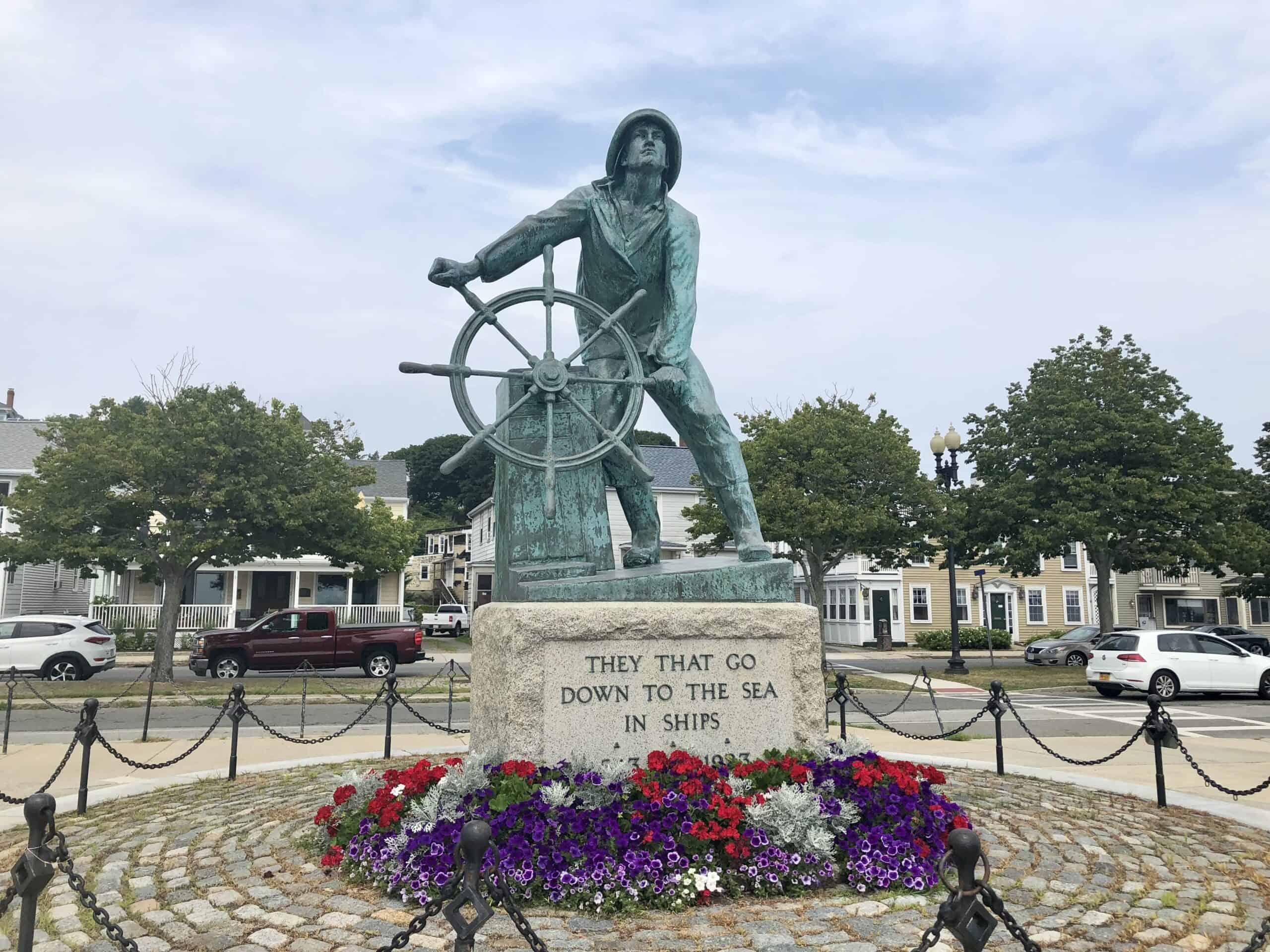
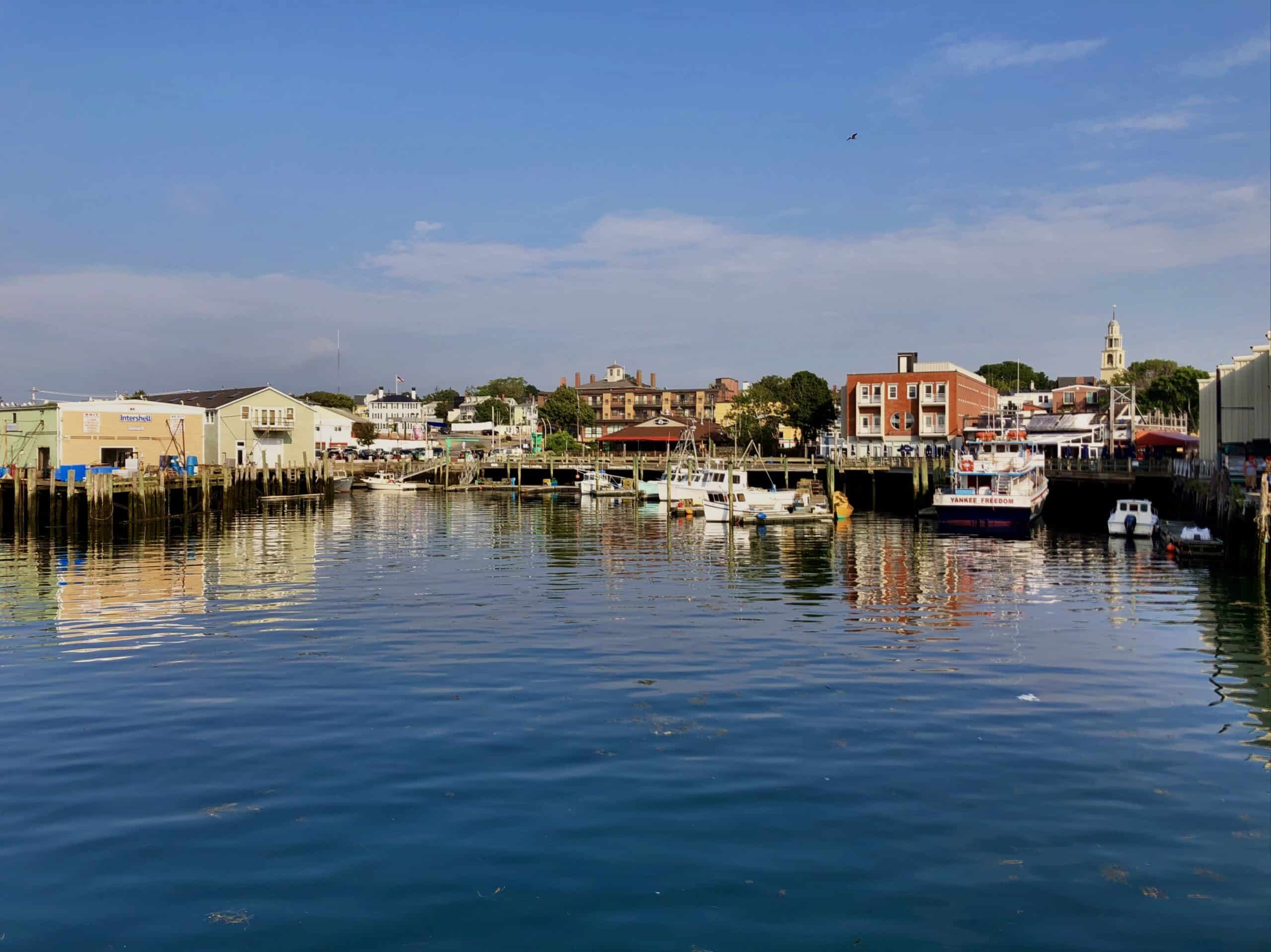
After oohing and aahing over all the wildlife sightings, take a little time to wander through the cute town of Gloucester and maybe grab some lunch. Historic Gloucester House features fresh seafood and a large patio right on the harbor.
Or, head about 10 minutes further north for lunch and to explore the picturesque seaside town of Rockport, at the very tip of Cape Ann. Enjoy the beautiful beaches, three lighthouses, art galleries, restaurants, and shops.
Option 2: Visit Salem
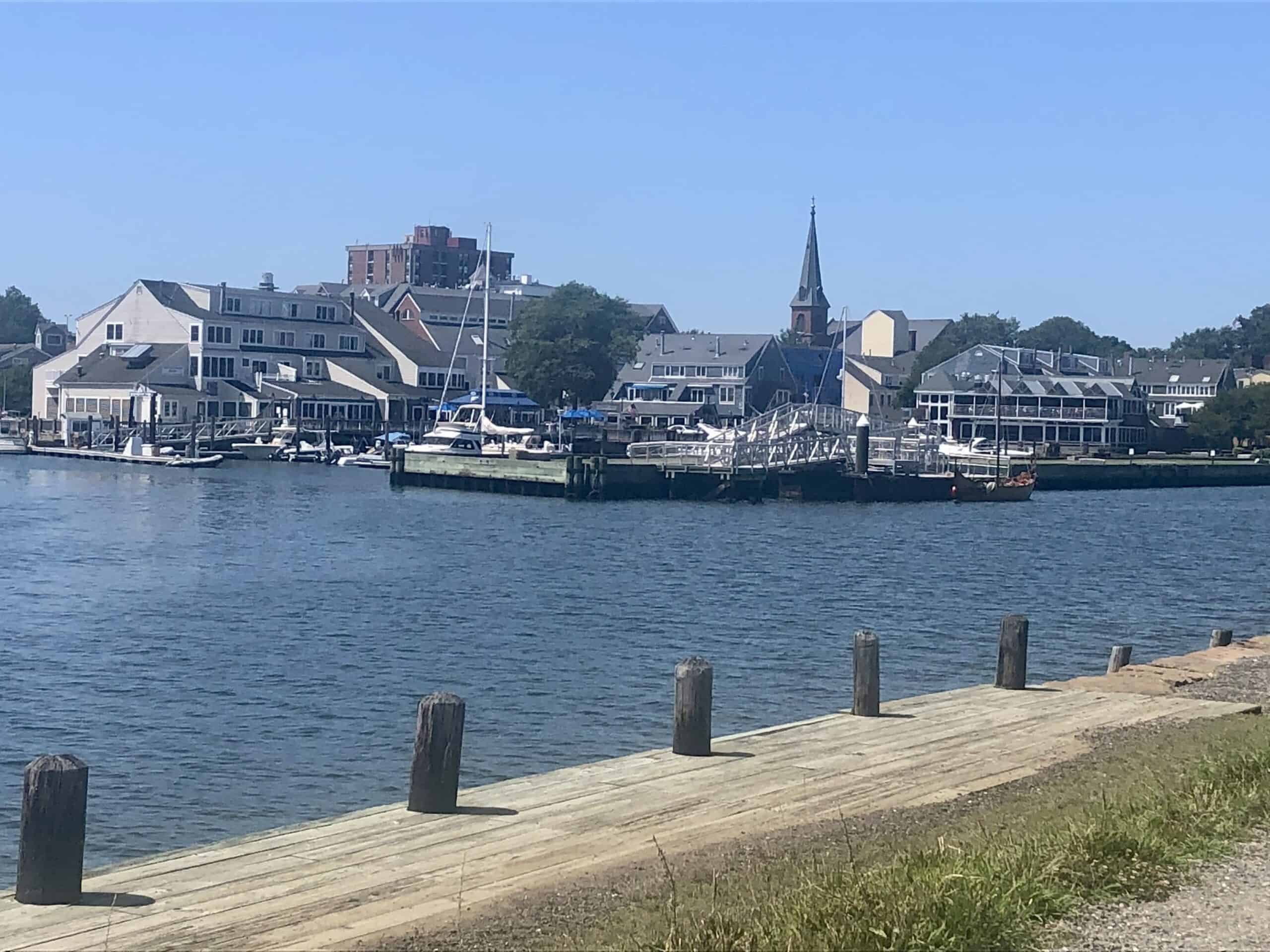
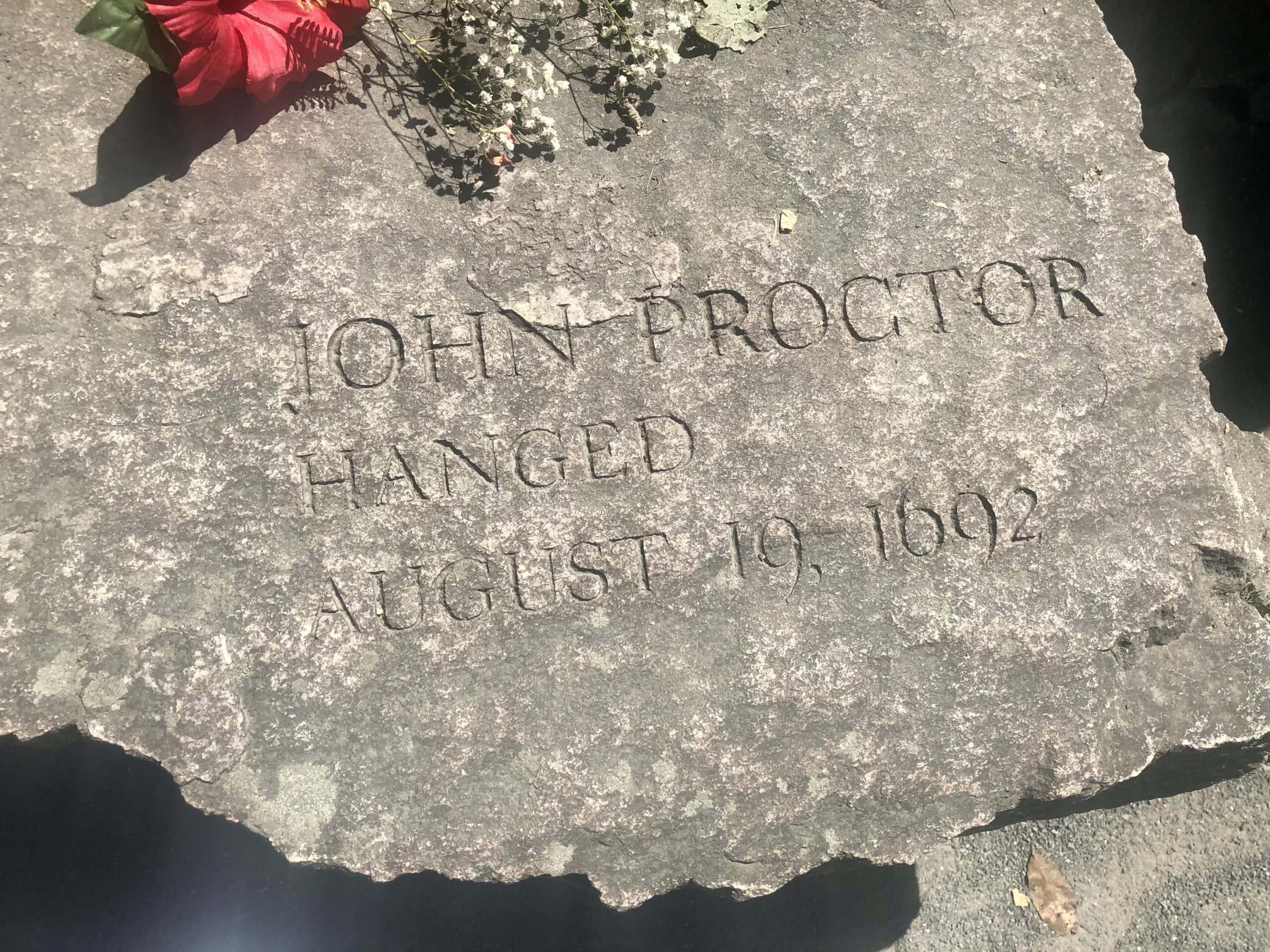
Those looking for a serving of history & culture with their ocean scenery should head to Salem. Yes, that Salem, infamous for the 1692 witch trials.
Choose from a 40-minute drive, a 50-minute ferry ride (April – Halloween), or a 35-minute commuter train ride on the Newburyport/Rockport Line, offered hourly.
Consider taking the relaxing ferry ride to Salem (they drop you off just a block or two from the main area), and then taking the train back to North Station. If you drive, there is a large (pay) parking lot at the interesting visitor center, run by the National Park Service.
There is a lot to see regarding the witch trials. Historic, thought-provoking places such as the Salem Witch Trials Memorial, Proctor’s Ledge Memorial, and the Witch House are worthwhile stops.
Along the Essex Street Pedestrian Mall, there are kitschy shops and attractions offering fortune-telling, spell kits, wands, potions, and such. There are also more traditional shops, as well as coffee shops and eateries.
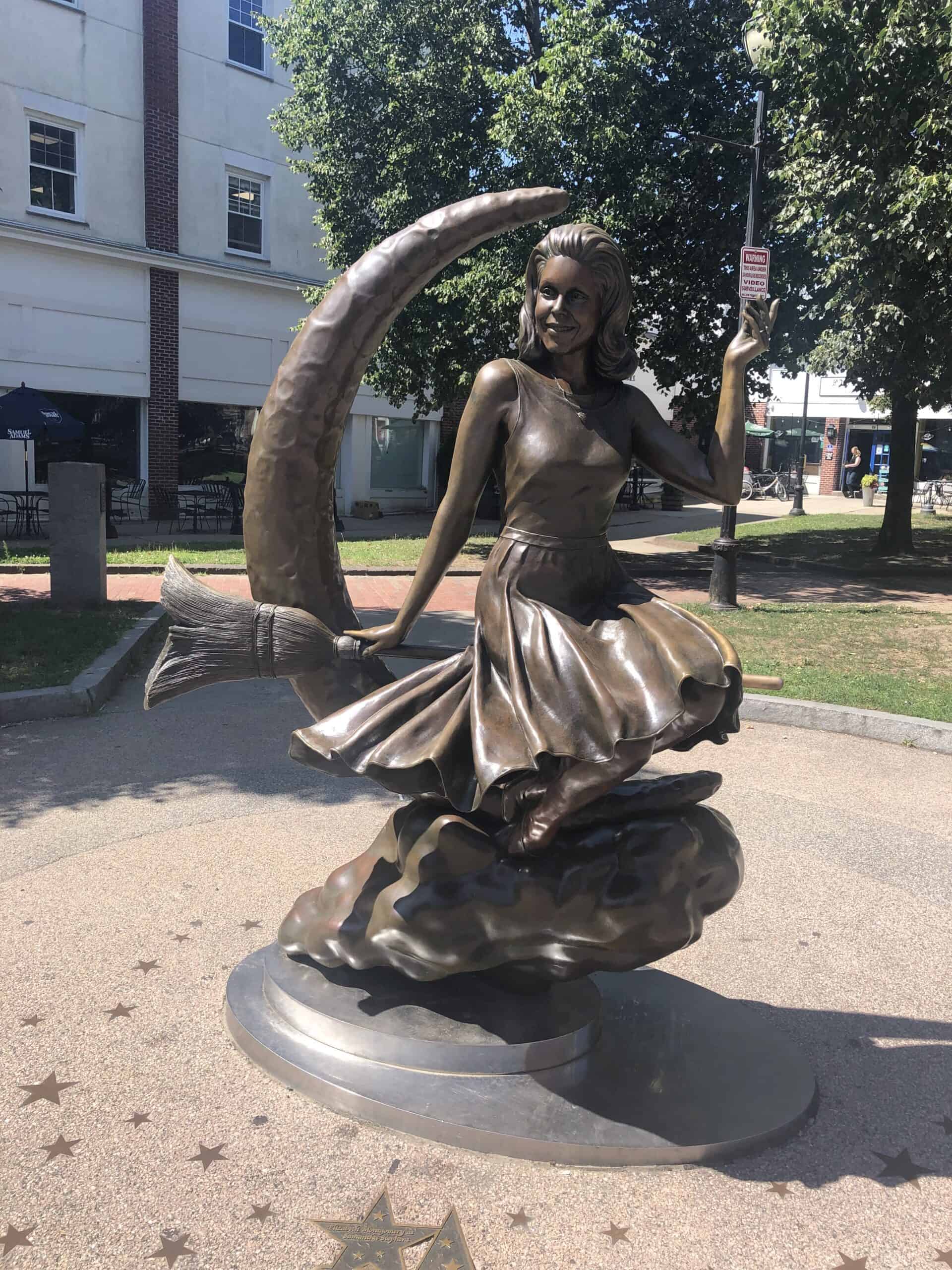
Don’t miss the statue of Bewitched at the end of the street.
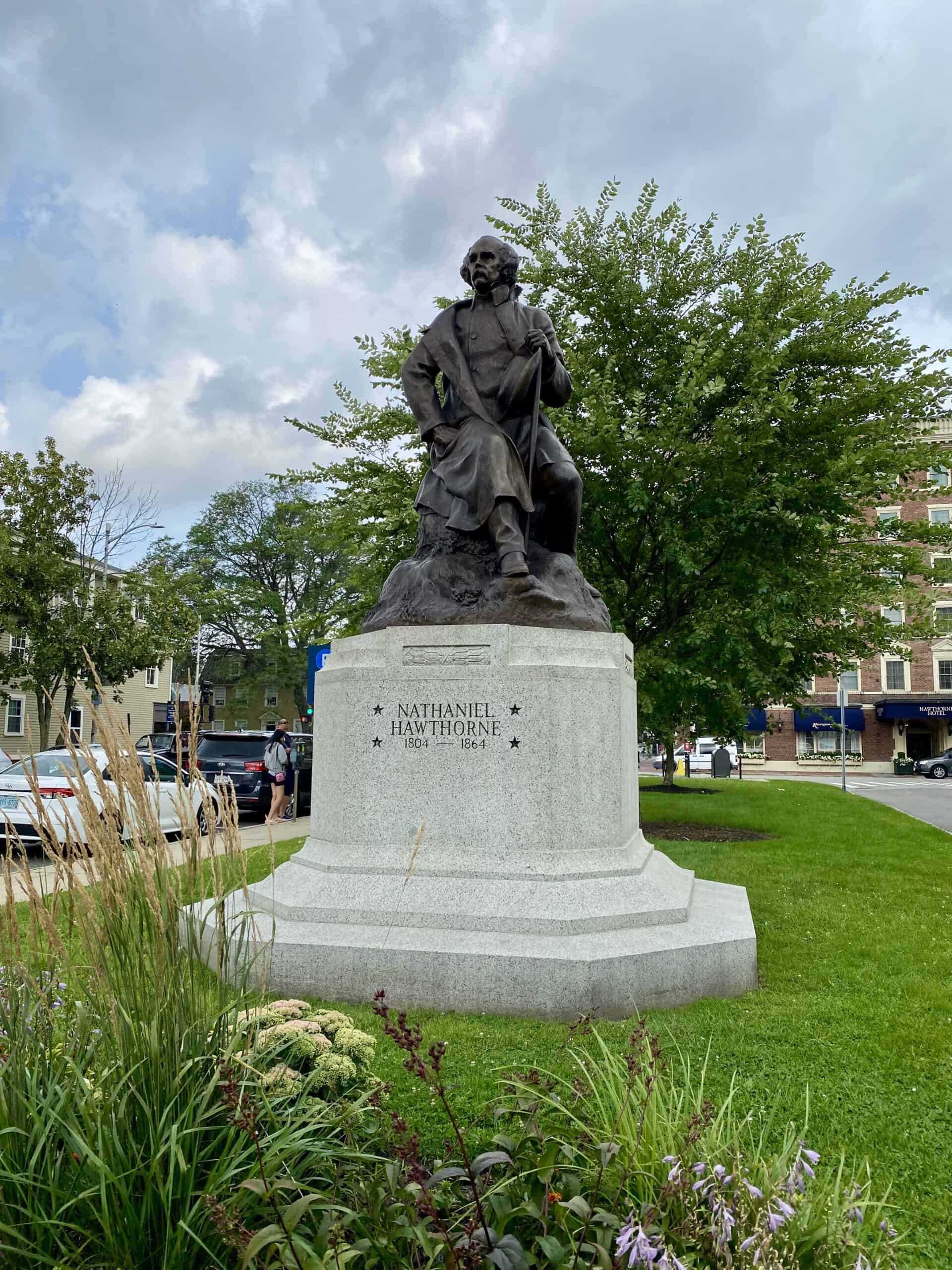
But Salem offers much more! The House of the Seven Gables, the inspiration for Nathanial Hawthorne’s 1851 novel by the same name, is a National Historic Landmark. The seaside mansion offers informative daily tours, beautiful views, gardens, and even a secret staircase.
The Peabody-Essex Museum, founded in 1799 by Salem sea captains, is a delightful, manageable-sized museum featuring large collections of American and Asian art, including a full-sized, 200-year-old Chinese home. It also holds authentic artifacts from the Salem Witch Trials.
The Maritime National Historic Park, the United States’ first National Historic Site, is maintained by the National Park Service. The park is located on Derby Wharf, which was once a hub of international trade with the Far East and Europe, and later served as a base for privateers to intercept and capture British supply ships during the Revolutionary War. It features 12 historic structures along the waterfront, including The Derby House, the US Custom House, Public Stores, a West India Good Store, and a lighthouse.
If you’re a fan of the movie Hocus Pocus, check out the Ropes Mansion, used as Allison Watts’ house in the movie, and Old Town Hall, where one of the Halloween parties was filmed.
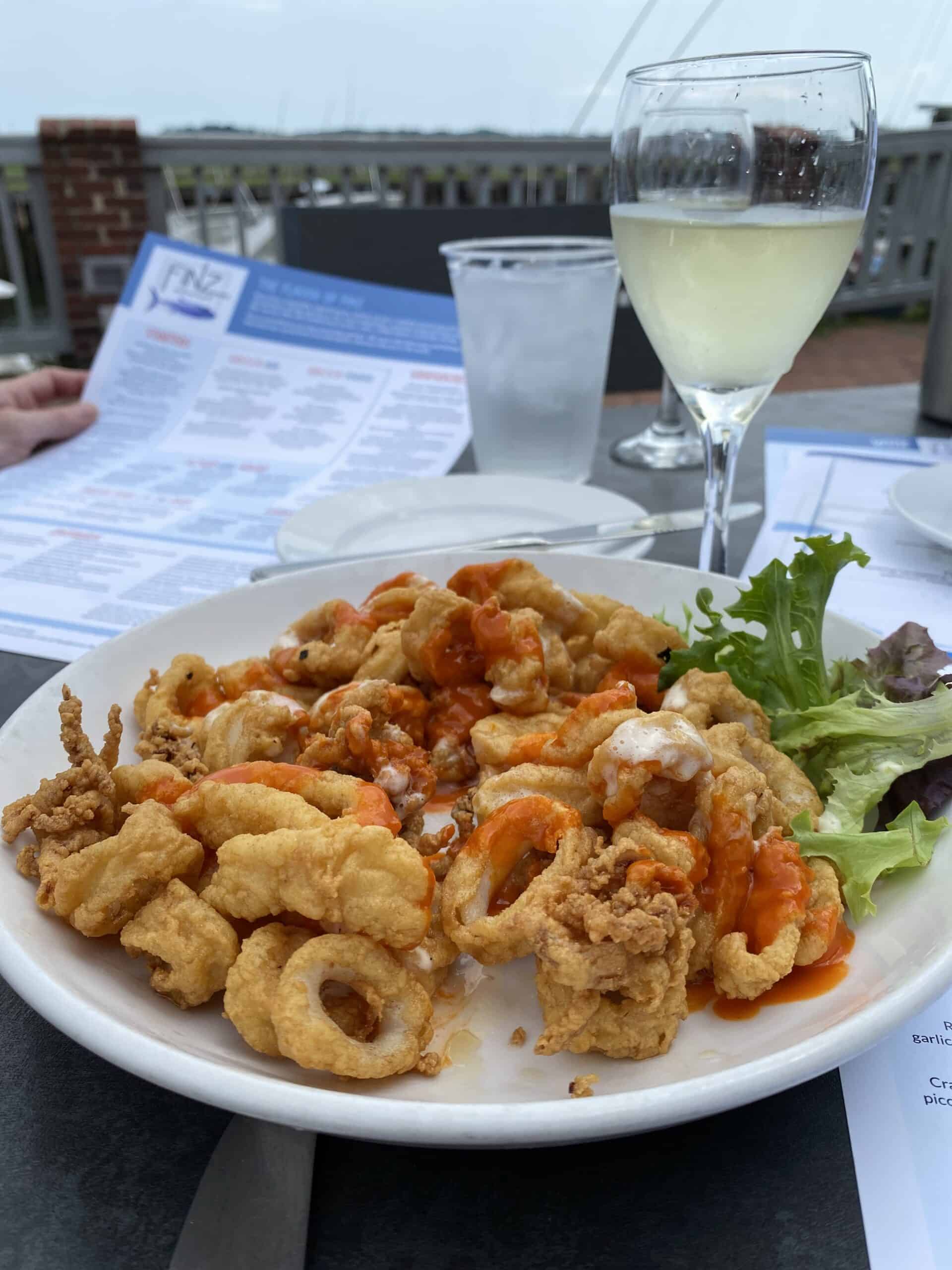
Do take time to have lunch at one of Salem’s excellent restaurants. We are partial to sitting on the patio at Finz Seafood and enjoying a fresh seafood lunch overlooking the pretty harbor.
Day 5 – Back Bay, a Museum, and Fenway Park
Spend today exploring Back Bay, considered by some to be one of the most beautiful neighborhoods in the country. Just meandering through it is a joy.
Start your day at Copley Square, where you can pop into the gorgeous Boston Public Library. It is the second largest library in the US (second only to the Library of Congress). In addition to many millions of books (including more than a million rare books and manuscripts), it houses abundant art, including murals, statues, paintings, grand staircases, and a spectacular Italian-style courtyard and fountain.
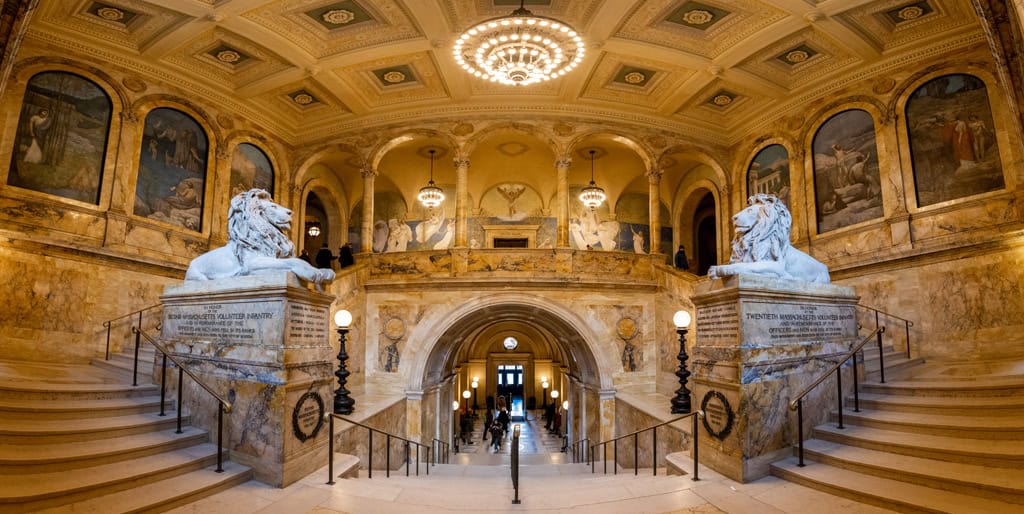
From the library, if you’re feeling the need for a bit of retail therapy, head a block north to trendy Newbury Street, lined with historic Victorian mansions, with retail shops and cute cafes on the street level.
Otherwise, head two blocks north to the lovely Commonwealth Avenue Mall, modeled after Georges-Eugène Haussmann’s grand Parisian boulevards. Stroll along the linear park, canopied by trees, flanked by impressive architecture, and dotted with statues, monuments, and benches.
Walk west on whichever street you choose for a few blocks to Massachusetts Avenue. Head south a couple of blocks to Boylston Street, from which you can connect to part of the Emerald Necklace, a scenic chain of parks linked by walkways and waterways, perhaps grabbing lunch along the way.
From here, make the difficult choice of visiting one of two wonderful museums: The Museum of Fine Arts or the Isabella Stewart Gardner Museum. They are both a short distance away.
The Museum of Fine Arts (MFA) is by far the larger of the two choices. In fact, it is the 20th largest museum in the world! The MFA houses an incredibly comprehensive collection of artifacts from around the world, but is especially well known for its Egyptian treasures, Impressionist paintings, expansive and diverse Asian art, and works from the Americas. Recognizable and famous pieces are seemingly at every turn throughout this museum, and nearly any famous artist one might know of is represented.
Because the museum is so large, it is a good idea for a first-time visitor is to take advantage of one of the free hour-long tours offered by the museum. A Gallery Highlights tour is offered twice daily, and other more specialized tours are offered multiple times per week. After a tour, you can return to the galleries that piqued your interest. MFA Mobile on Bloomberg Connects provides free audio and visual guides on the app (bring your own headphones).
When your feet need a break, the MFA offers a cafeteria, a cafe, and a wine bar.
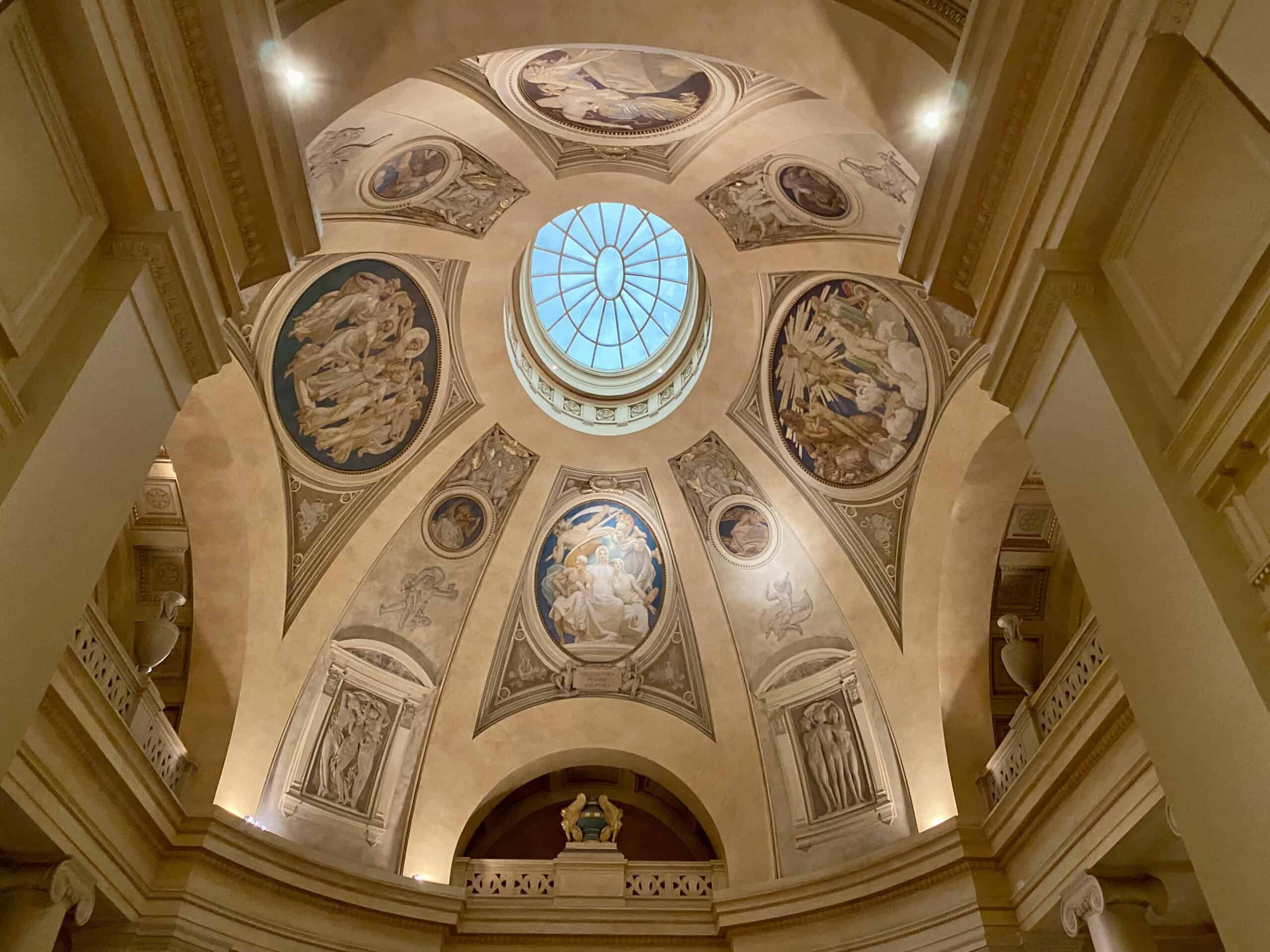
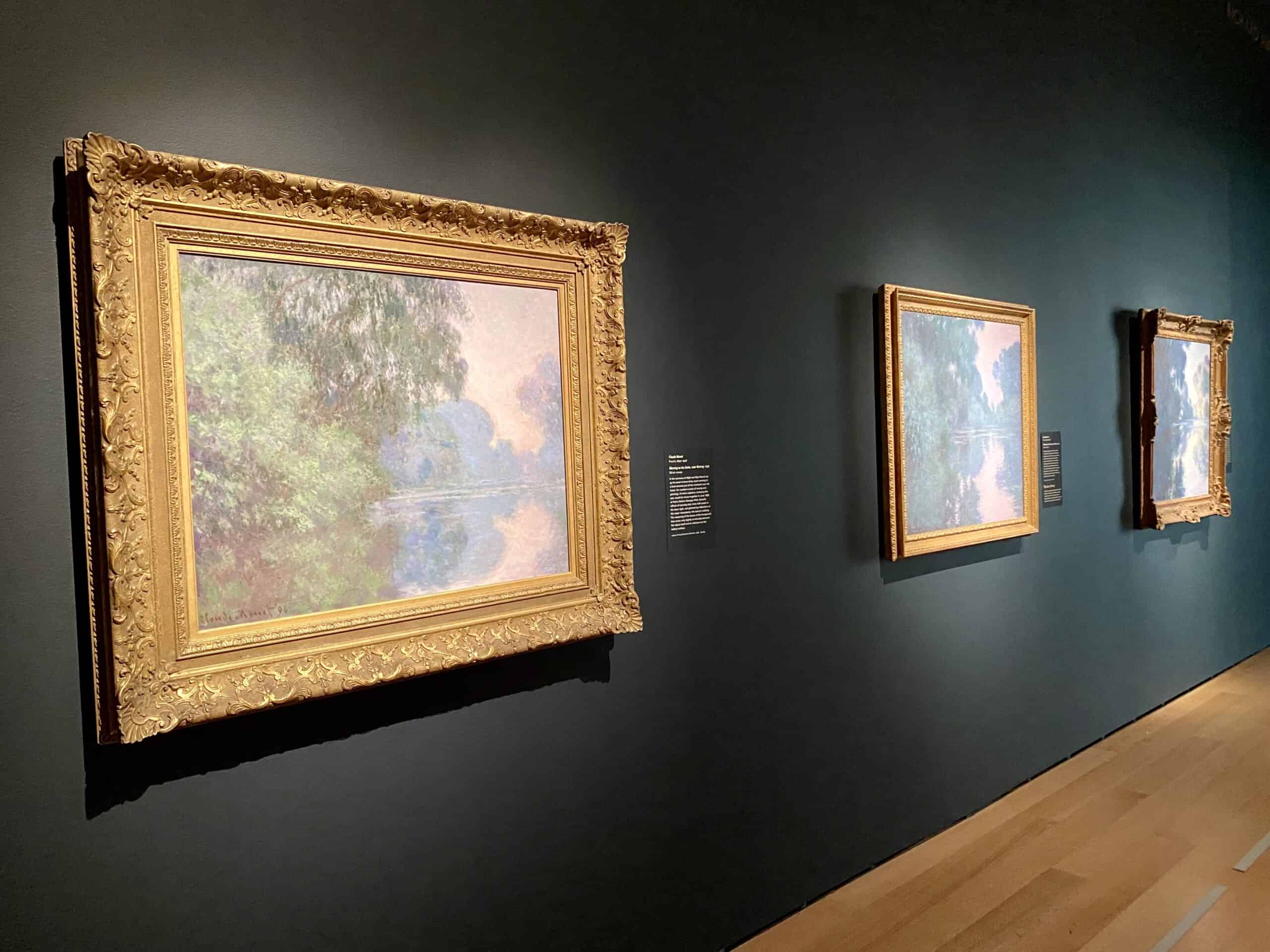
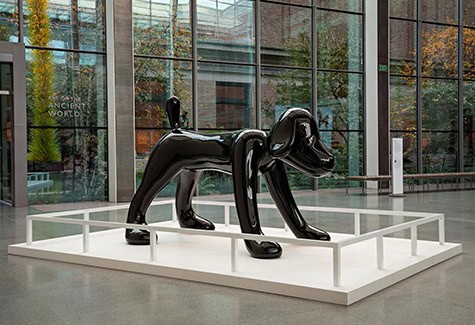
The small, inviting Isabella Stewart Gardner Museum is located in a custom-built 15th-century-style building modeled on Renaissance Venetian palaces, and was commissioned and designed by Gardner herself. Its pièce de résistance is a breathtaking, light-filled interior courtyard filled with plants, flowers, statues, and mosaics, and topped with a glass roof.
Three floors of galleries surround the courtyard and display a carefully curated and eclectic art collection of paintings, furniture, tapestries, ceramics, rare books, and other artifacts from all over the world. Paintings include works by many of the greats, such as Rembrandt, Titan, Michelangelo, Raphael, Manet, and Degas. Correspondence from T.S. Elliot and Oliver Wendall Holmes, and manuscripts from Dante are displayed.
A series of audio guides produced by the museum are available here.
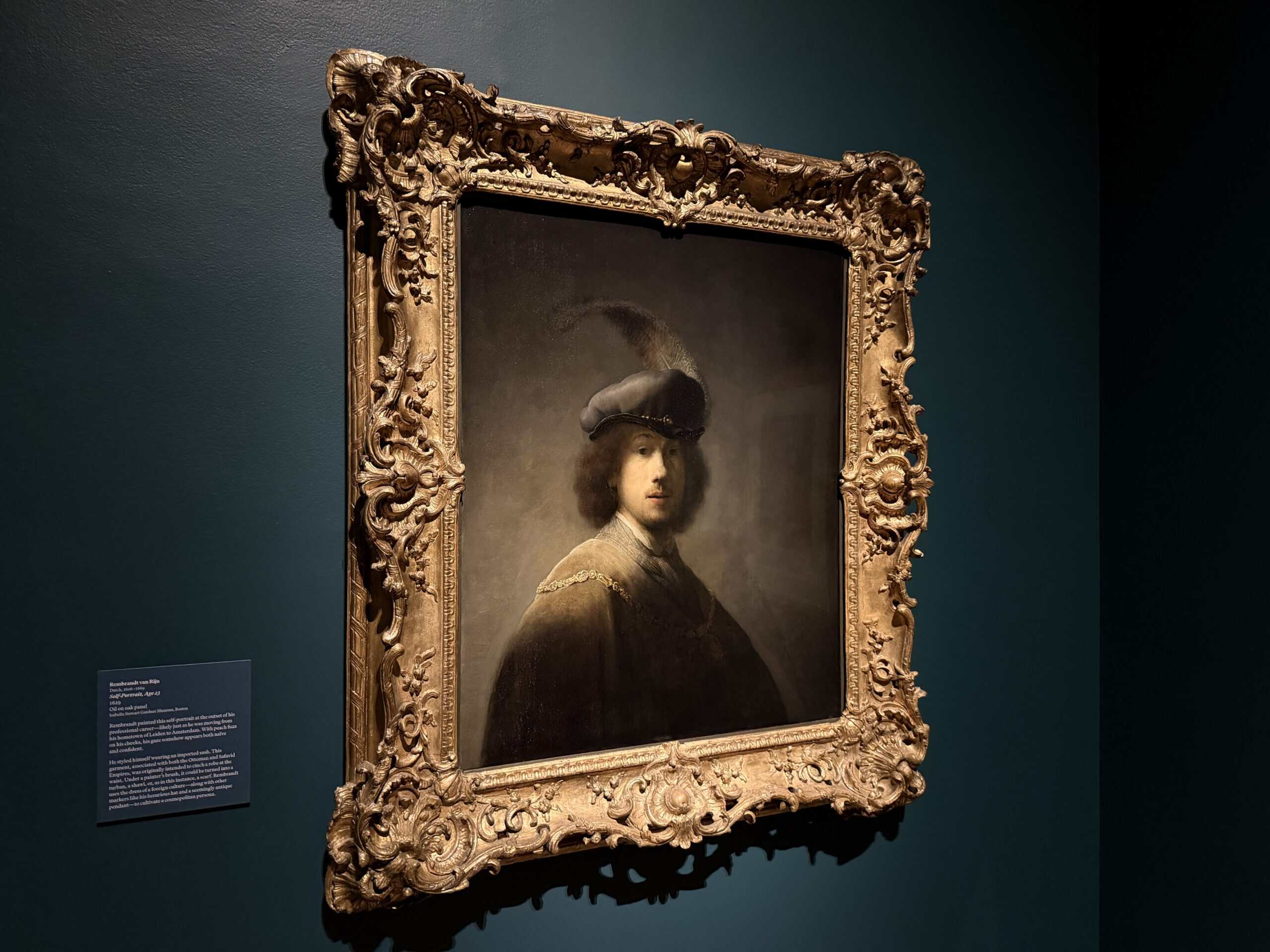
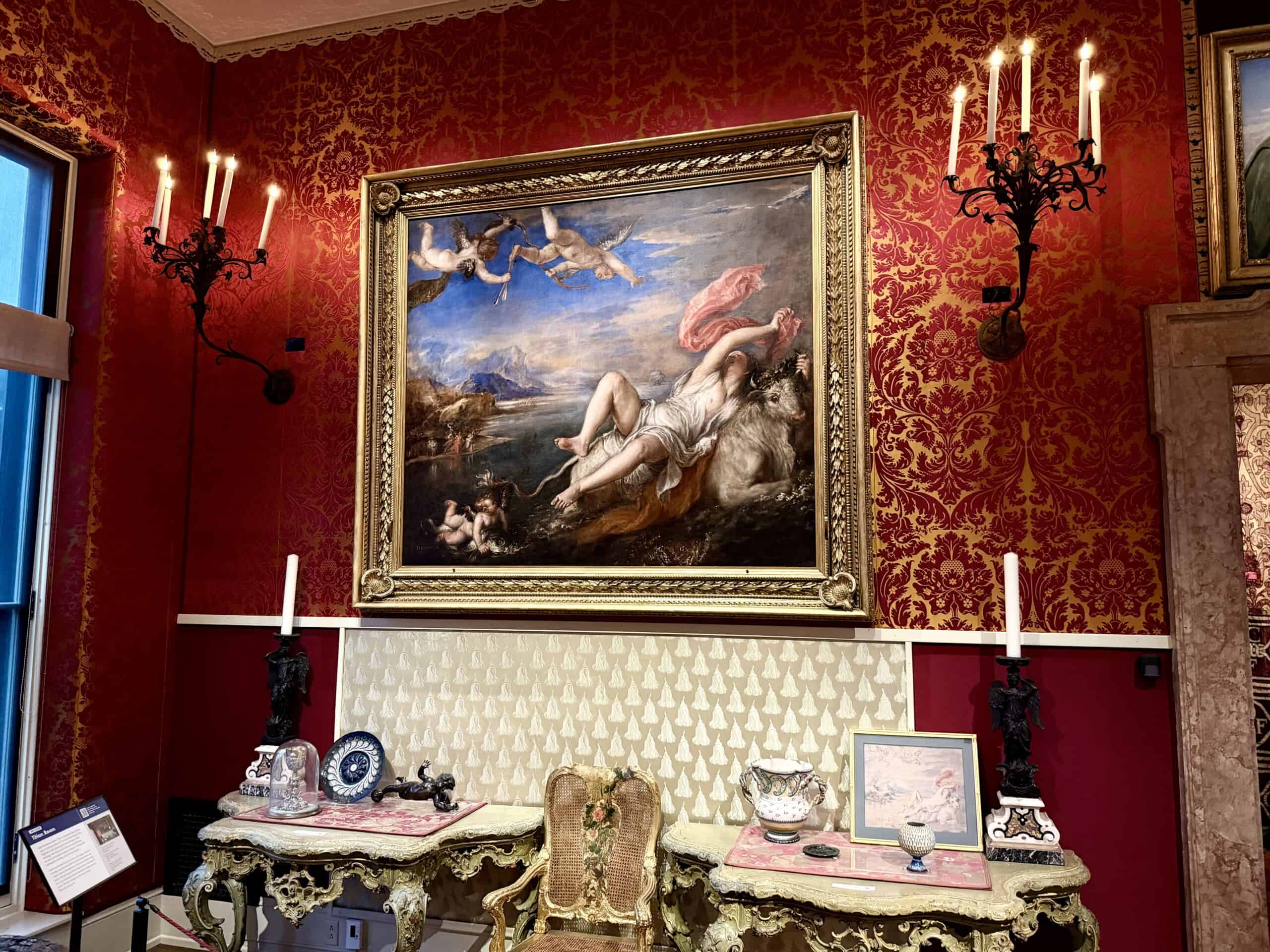
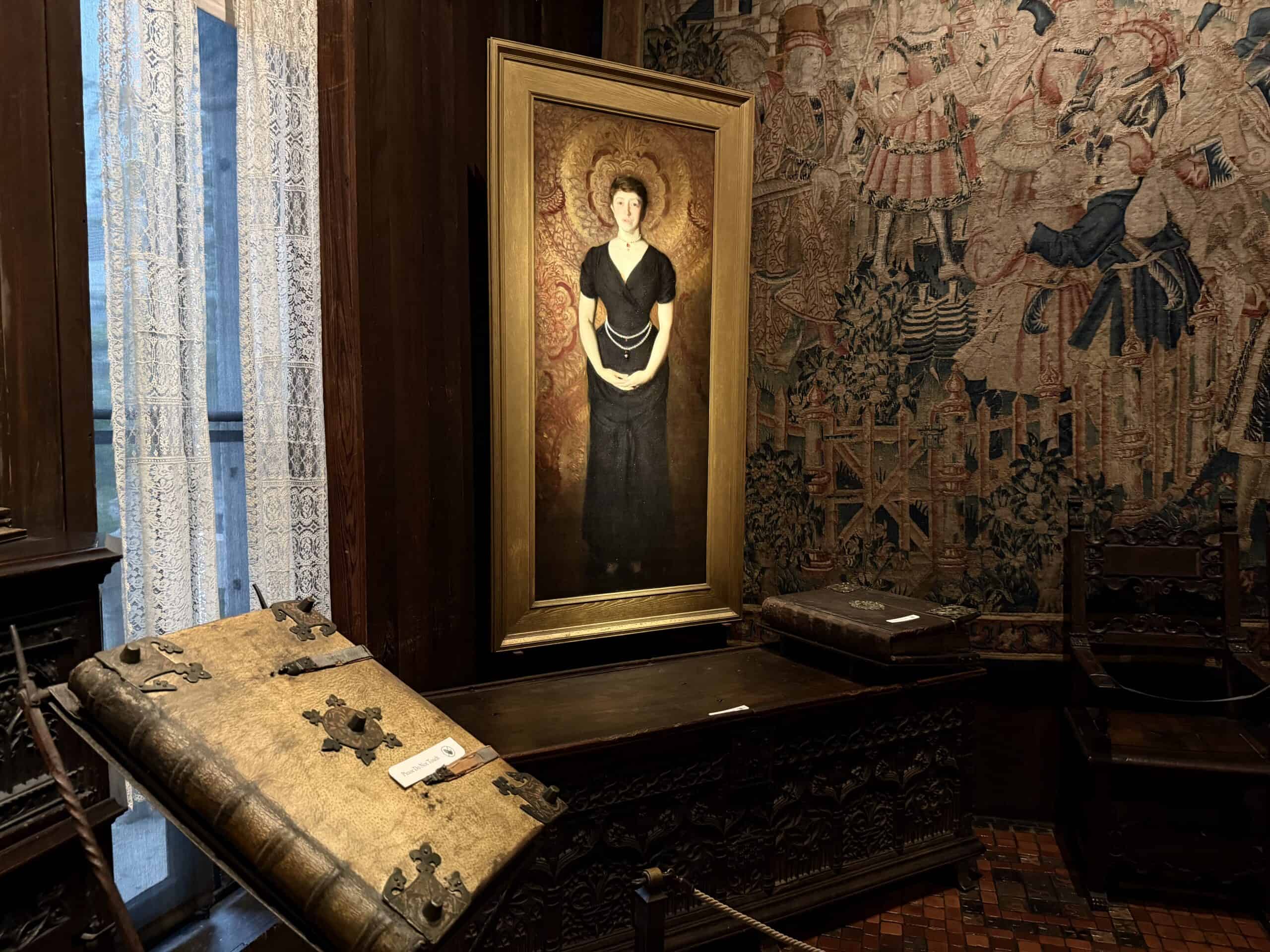
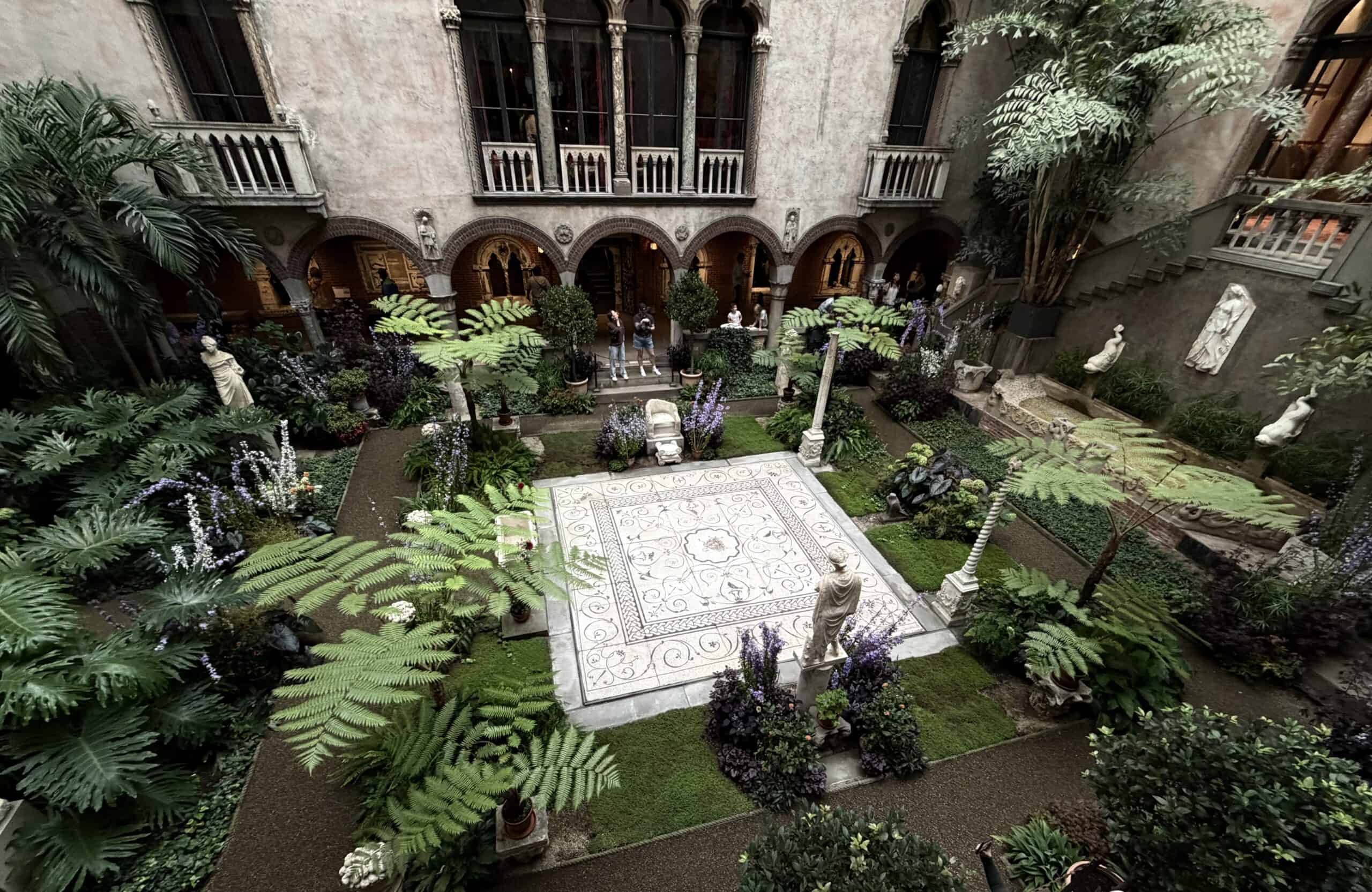
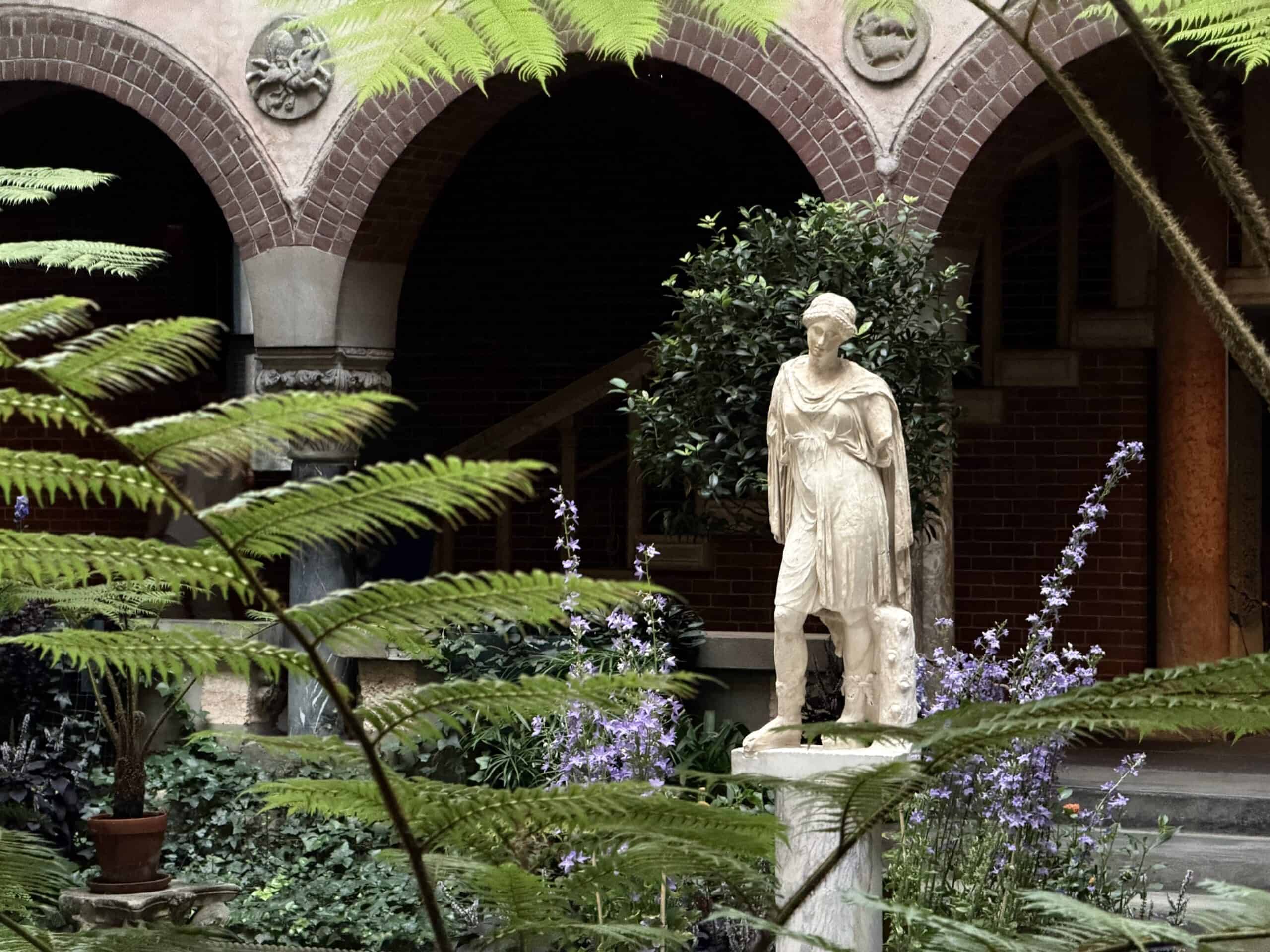
Gardner and her husband were wealthy art collectors and philanthropists and it was their dream to create a museum for “the education and enjoyment of the public forever”. Gardner created this museum as a labor of love to fulfill their shared dream after her husband’s death. She lived on the fourth floor of the museum until she died in 1924. Her will created an endowment of $1 million (about 20M today) and outlined stipulations for the museum, including that the permanent collection not be significantly altered.
Garder’s fascinating life story is told in Natalie Dykstra’s biography, Chasing Beauty. Or, if you prefer historical fiction, The Lioness of Boston by Emily Franklin is an easy and engaging read.
Interesting Fact: The museum fell victim to an audacious robbery in 1990, and 13 works of art, some sliced out of their frame, were stolen and have never been recovered. An estimated $500 million in lost art includes Rembrandt’s Christ in the Storm and works by Vermeer, Degas, and Manet. It remains the biggest art heist in history. The incredible story is detailed in the Netflix documentary This is a Robbery.
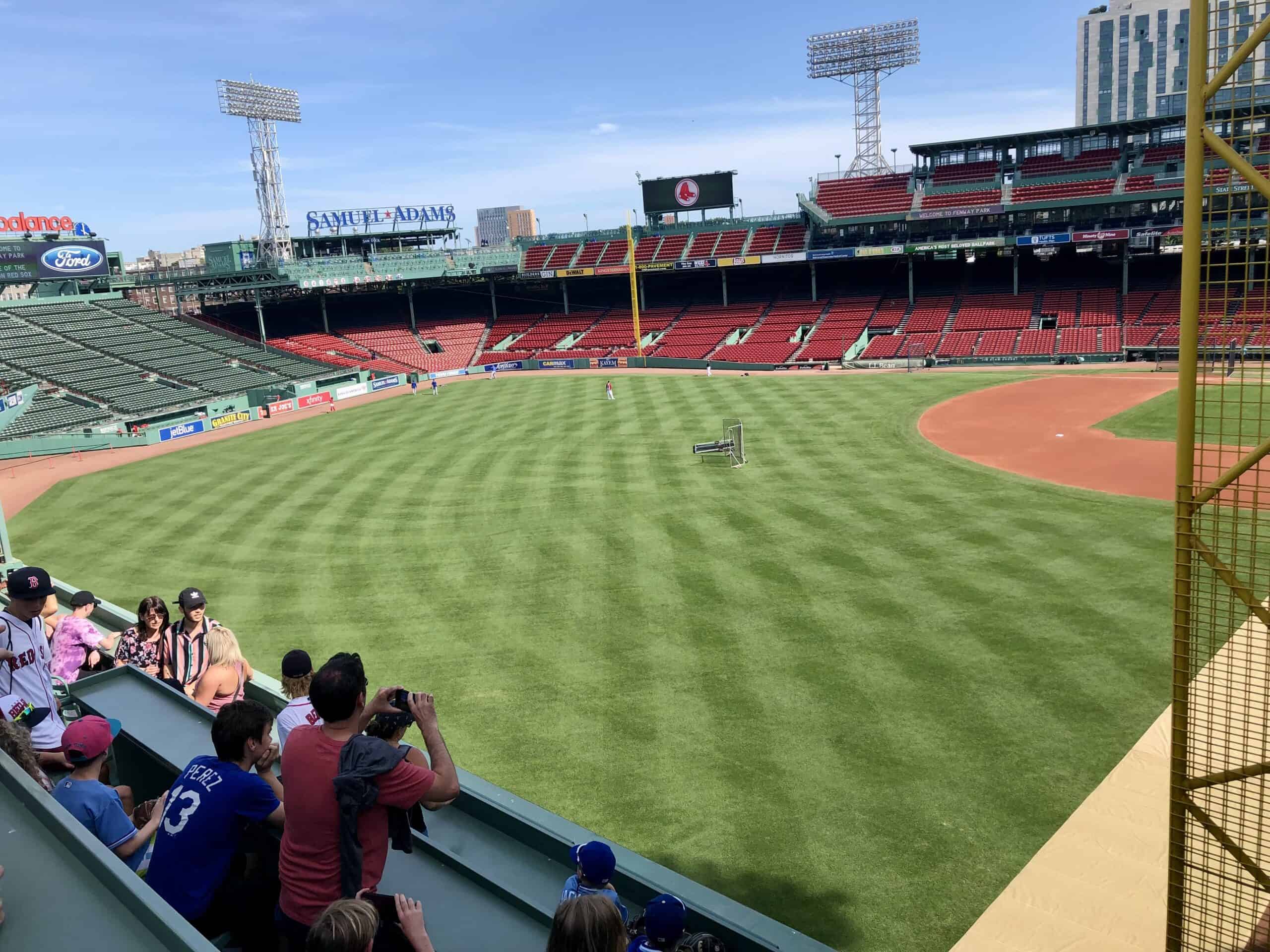
From whichever museum you chose to visit, walk about a half-mile to legendary Fenway Park, home of the Red Sox. Even a non-baseball fan will be impressed by a visit to this iconic ballpark, the oldest in Major League Baseball, one of the few not to sell out its name to a corporate sponsor. It is a venue known around the world.
A highly recommended walking tour of the park is available at the top of each hour through 5pm (except on game days, when tours end 3 hours before the game). Tickets are required, and cost $32 at the time of this writing.
The walking tour is captivating on it’s own, but even better if you can attend a game afterwards. So of course, if you will be in Boston for any scheduled home game, get tickets and re-arrange your day around the game!
Where to Eat
Delicious food abounds in Boston! It is hard to go wrong. Favorites include:
Harbor/Seaport area
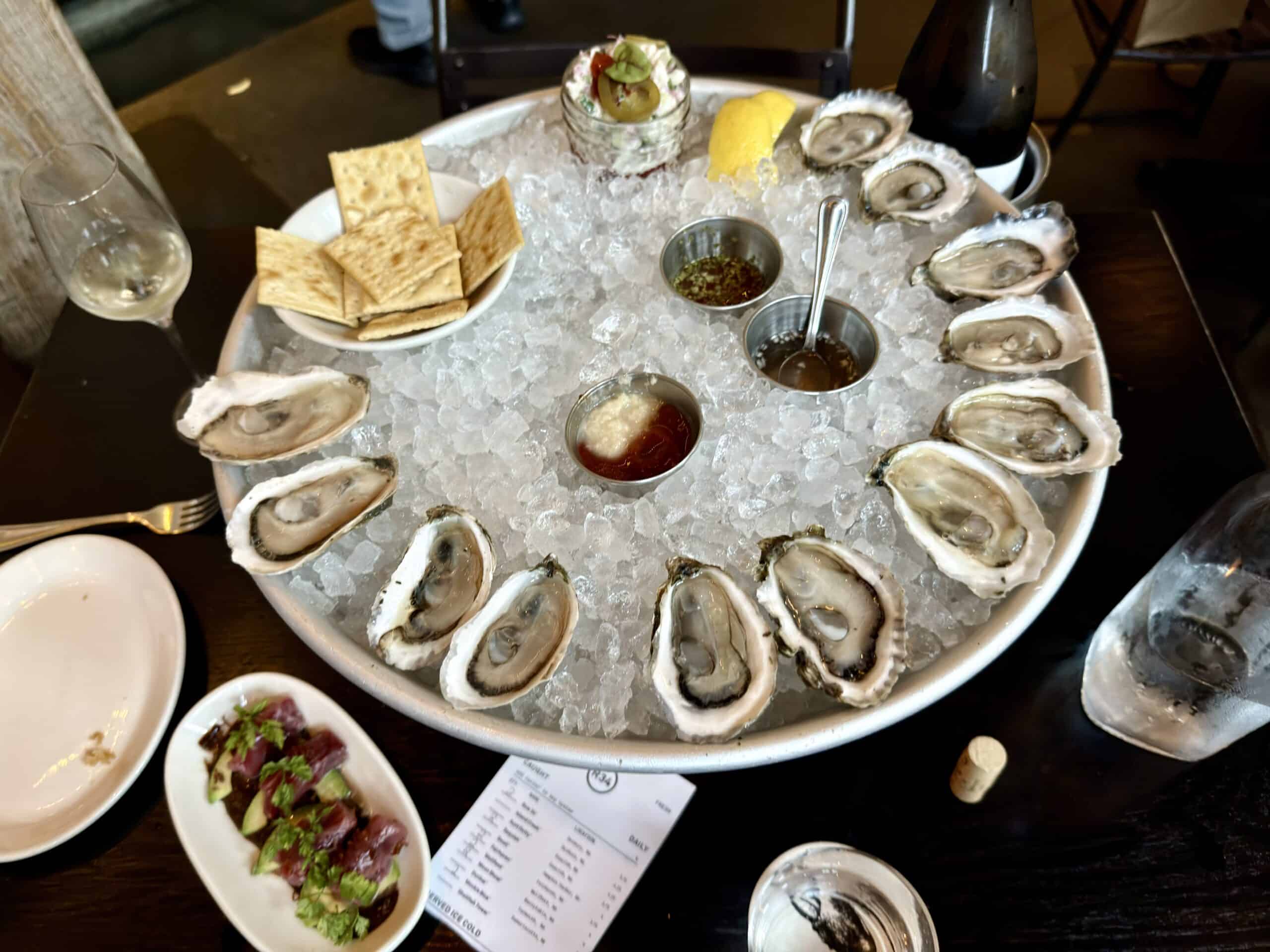
Row 34 – Casual but buzzy spot with great oysters and raw bar
Legal Harborside – Flagship of a small chain with sushi, seafood, sandwiches & steaks
Lanner Noodles – Chinese fare known for traditional hand-pulled noodles & soup dumplings
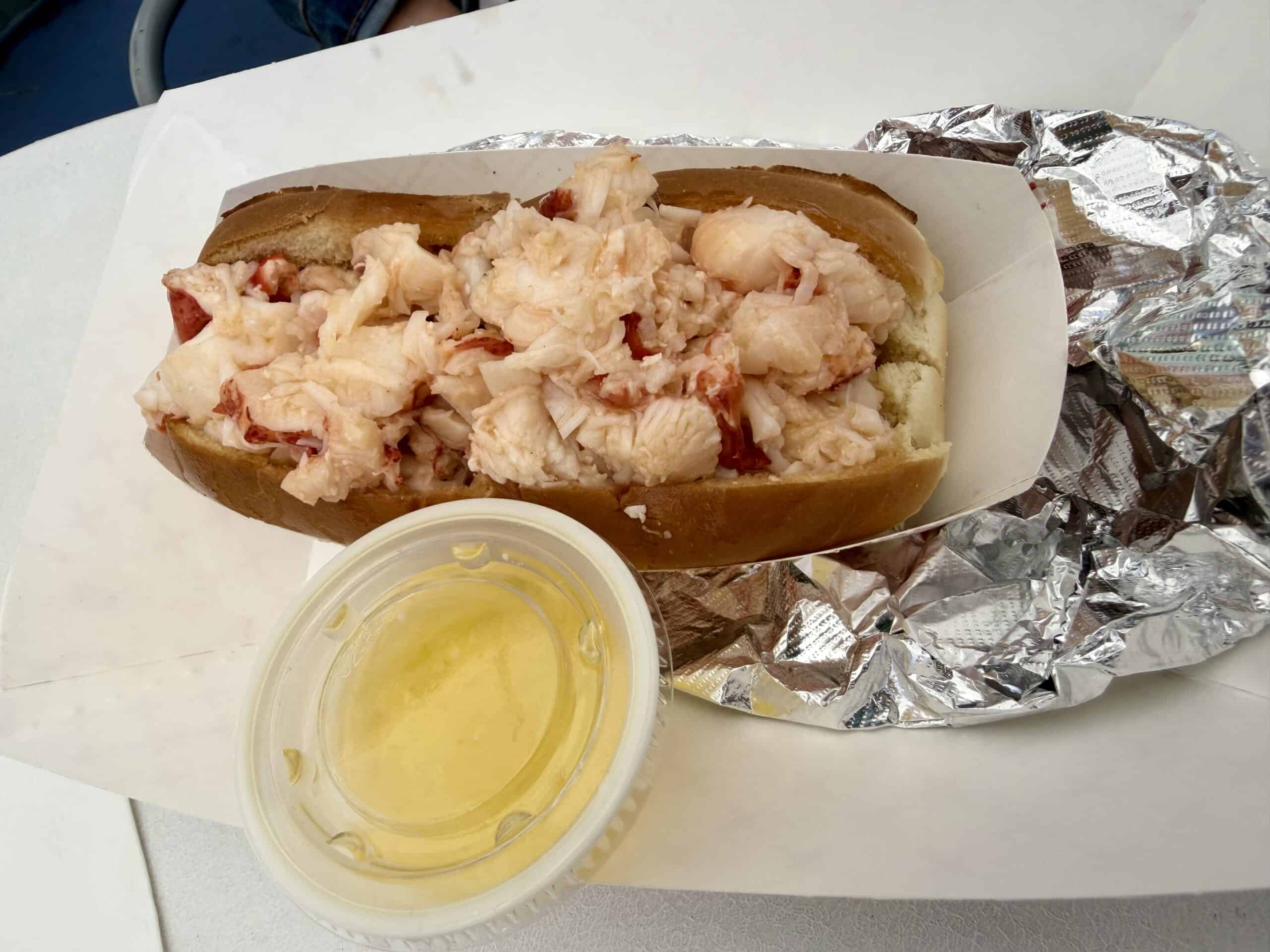
James Hook & Co – Boston landmark with counter service and wicked-good lobster rolls
Downtown
Amber Road – Fine dining with wagu beef, rotisserie chicken, flatbreads and more
Union Oyster House – Boston’s oldest restaurant, located along the Freedom Trail, serving chowder, oysters, and other New England specialties.
Mamma Maria – Refined Italian fare with locally sourced ingredients and seasonal menu
Back Bay
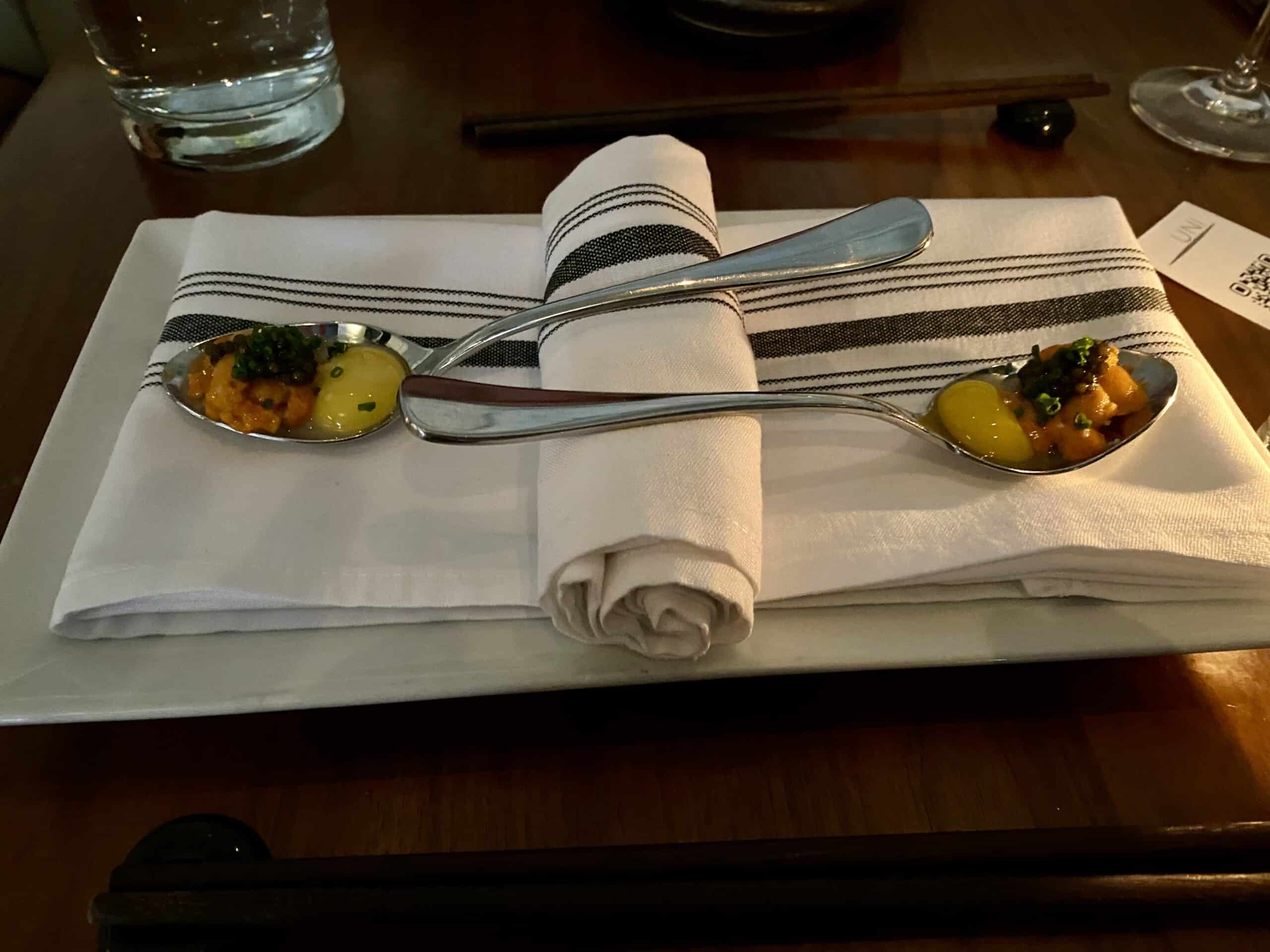
Uni – Lively and chic with inventive sushi and Japanese small plates, beautifully presented
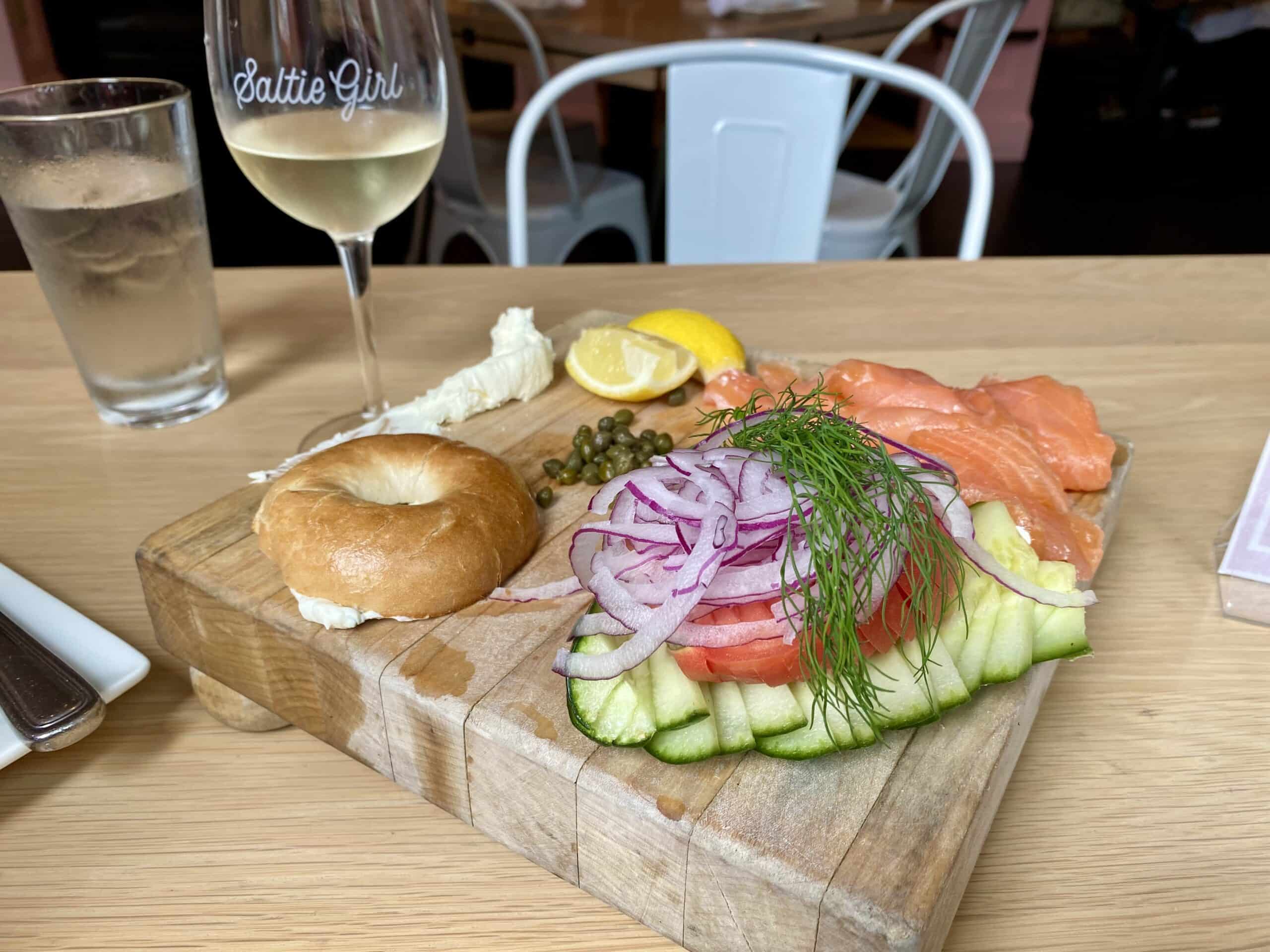
Saltie Girl – Fun and popular spot with seafood towers, tinned fish, and an expansive brunch
Parish Cafe & Bar – Chef-invented gourmet sandwiches and craft cocktails
La Voile – Classic French brasserie with an available prix fixe menu and a nice sidewalk patio
If you’re continuing your East Coast adventures, hop on an Amtrak train and head to New York City! Click here to read about our fantastic pedicab tour experience.
Looking for something else? Click below for other trip ideas:
Discover more from Werthwhile Wandering
Subscribe to get the latest posts sent to your email.





I would avoid Salem from late September to early November as it is over crowded with tourists attracted to the Witch City, i.e., Halloween.
Thanks Chuck. Good advice! (Unless, of course, you are seeking out the Halloween events and spookiness.)